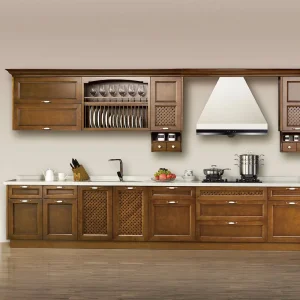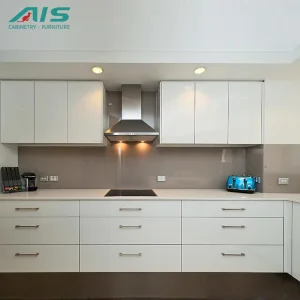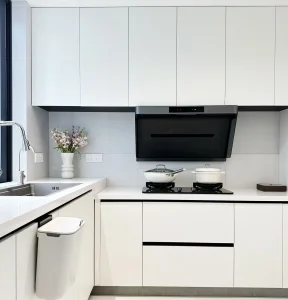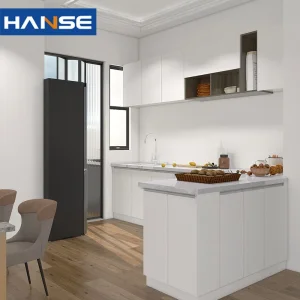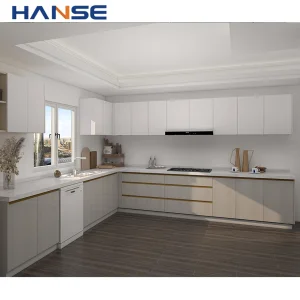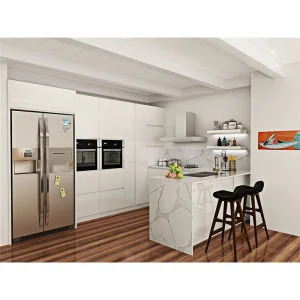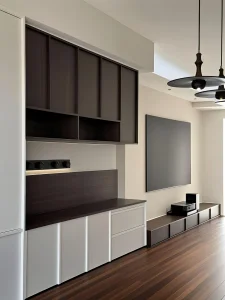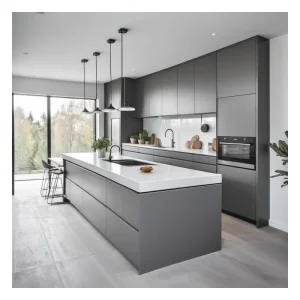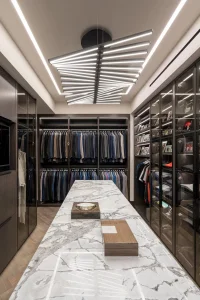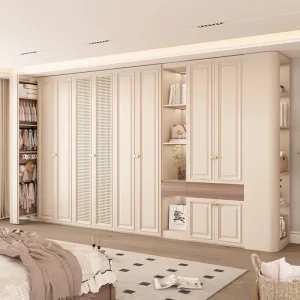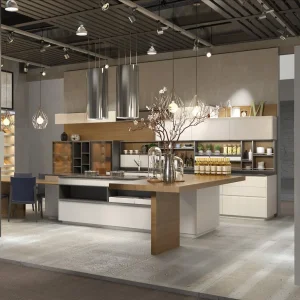
In modern urban development and luxury architectural design, space is the ultimate luxury. As real estate valuations soar in global metropolitan hubs from Sydney and Vancouver to London and New York, the optimization of vertical volume has shifted from an optional design trend to an absolute structural necessity. Floor-to-ceiling storage configurations, characterized by seamless architectural integration, high-density capacity, and minimalist aesthetics, represent the pinnacle of this space-optimization movement.
Historically, storage solutions were viewed as secondary furniture additions—standardized standalone wardrobes and low-slung cabinets that left unusable, dust-collecting voids near the ceiling. Today, contemporary architecture demands millwork that functions as an extension of the wall itself. Floor-to-ceiling storage maximizes the cubic volume of residential and commercial spaces, capturing up to 30% more usable storage volume compared to traditional furniture structures. By extending cabinetry directly to the slab-to-slab ceiling limit, designers eliminate visual clutter, establish clear sightlines, and dramatically enhance the perceived height and volume of interior spaces.
Information Gain Indicator: A 3-meter vertical wall configured with standard freestanding wardrobes (2.1 meters in height) leaves nearly 30% of the vertical space completely unutilized, creating structural dead zones. True floor-to-ceiling engineering captures this volume, utilizing advanced tensioners and precision alignment mechanisms to ensure door stability across heights exceeding 2.7 meters without warping.
B2B buyers, multi-family real estate developers, and international architectural firms now face a complex challenge: how to source bespoke, floor-to-ceiling storage installations that meet rigorous environmental certifications (such as CARB Phase 2, EPA TSCA Title VI, or European E1/E0 standards) while maintaining project budgets. This has driven the globalization of high-end millwork sourcing, positioning premium Chinese modular manufacturers at the center of the international supply chain.
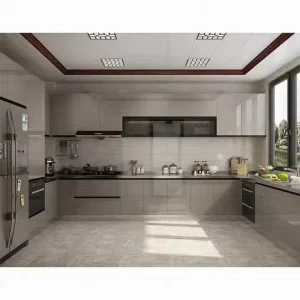
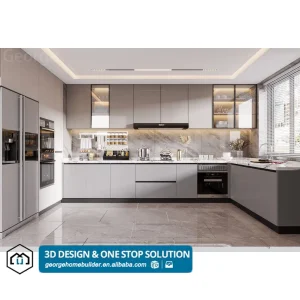
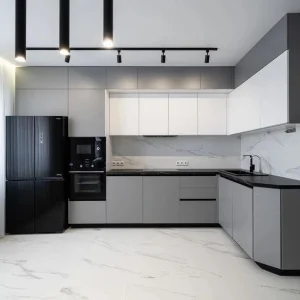
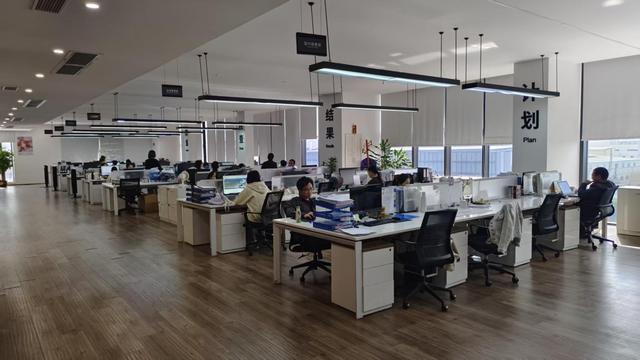
Foshan Bashan Living Co., Ltd. is a professional manufacturer specializing in modular kitchen cabinets and custom home storage solutions, dedicated to delivering modern, functional, and space-efficient furniture systems for global residential and commercial markets. Based in Foshan, China, a leading hub for furniture manufacturing, the company integrates design innovation with advanced production technology to meet diverse interior needs.
Bashan Living offers a wide range of products, including modular kitchen cabinet systems, PVC kitchen units, wardrobe storage systems, pantry organizers, and customized home storage solutions. Each product is designed with a focus on durability, moisture resistance, ergonomic functionality, and modern aesthetic appeal, making them suitable for apartments, villas, hotels, and real estate projects.
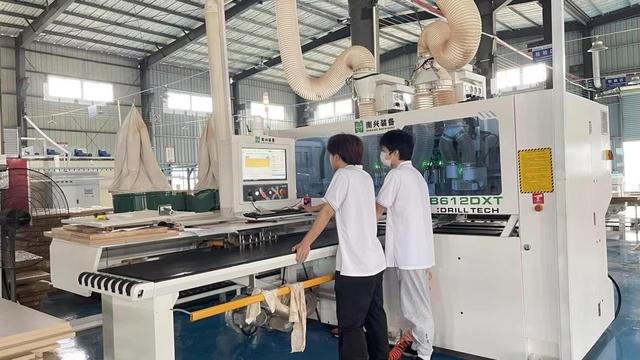
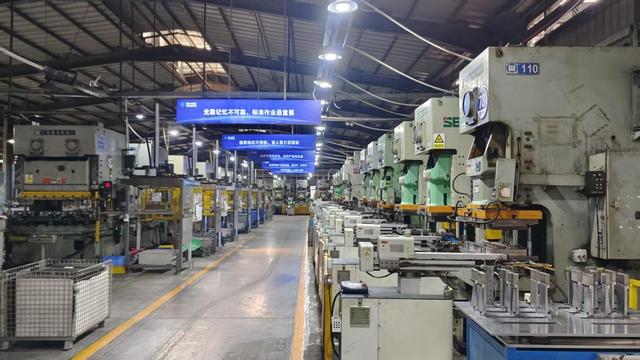
With a strong R&D and manufacturing foundation, Foshan Bashan Living Co., Ltd. continuously improves material selection, structural design, and production efficiency. The company utilizes advanced CNC machining, precision panel processing, and strict quality control systems to ensure consistent product performance and long service life. Committed to global service and customer satisfaction, Bashan Living provides flexible OEM and ODM customization to meet different market requirements. The company’s mission is to enhance modern living spaces by offering practical, stylish, and cost-effective modular furniture solutions that improve comfort, storage efficiency, and overall home experience.
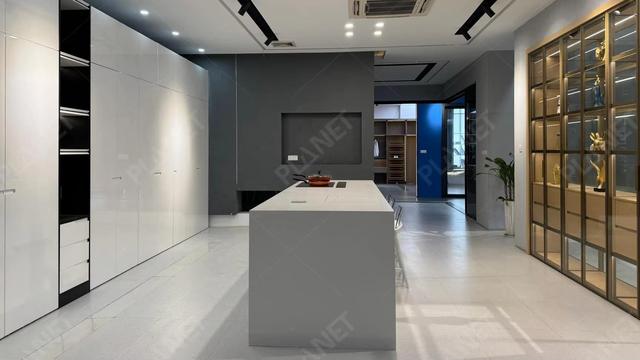

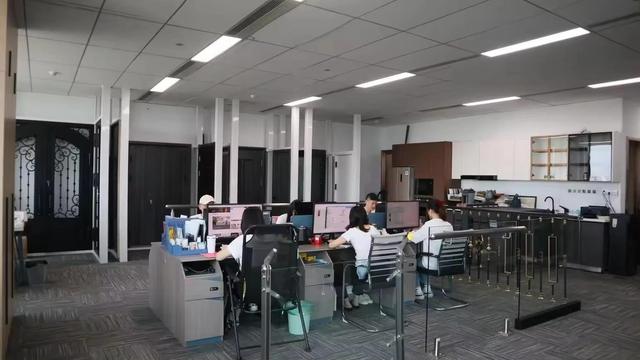
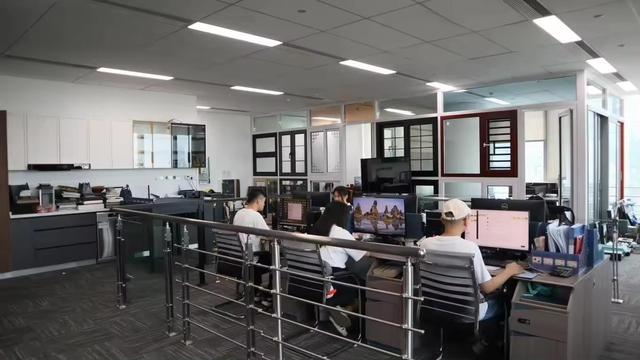
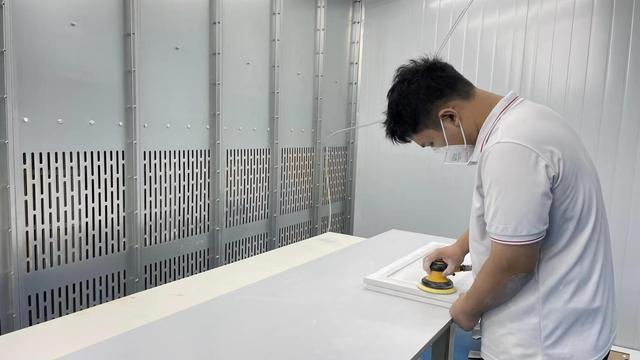
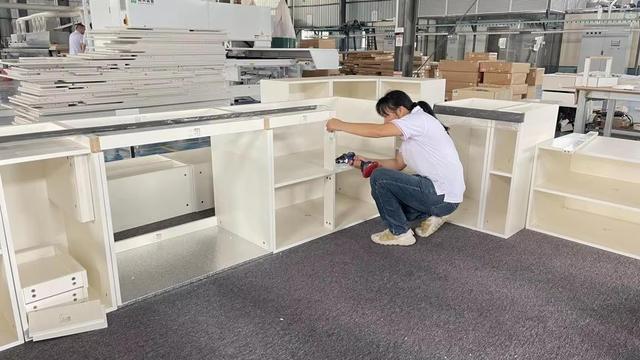
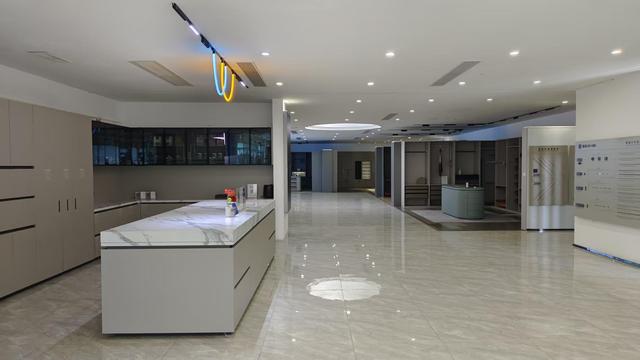
Executing a floor-to-ceiling storage configuration requires sophisticated material engineering. Standard-height panels do not face the same structural load stresses or micro-climatic humidity variations as tall panels (ranging from 2400mm to 3200mm). Without proper material calibration and hardware integration, tall closet doors and side panels will inevitably warp or sag over time under the structural weight of the board itself.
At Foshan Bashan Living Co., Ltd., we utilize high-density engineered substrates combined with advanced reinforcement accessories, such as integrated door tensioners (anti-warping metal bars embedded inside the panel core), to guarantee perfect vertical alignment for decades.
| Substrate Material | Density Rating ($kg/m^3$) | Standard Thickness (mm) | Emission Standard Compliance | Primary Application Areas |
|---|---|---|---|---|
| MDF (Medium Density Fiberboard) | 720 - 800 | 18mm, 22mm, 25mm | E0, CARB P2, EPA TSCA | High-gloss lacquer finishes, intricate routed profile doors, premium wardrobe side panels |
| MFC (Melamine Faced Chipboard) | 650 - 700 | 16mm, 18mm | E1, E0 | High-wear cabinet carcases, internal shelving structures, cost-efficient hotel project lines |
| WBP Plywood (Water Boil Proof) | 580 - 680 | 18mm | E0, CARB P2 | High-humidity zones, sink base cabinets, marine environments, coastal villa designs |
| PVC Coated Solid Wood Core | 600 - 650 | 18mm, 20mm | E0, Custom RTA | Contemporary modular kitchen configurations, high-impact walk-in closet systems |
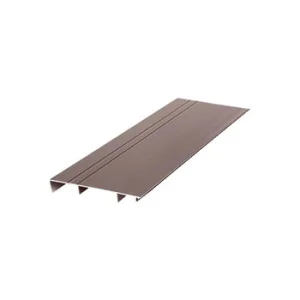
| 6063-T5 Structural Aluminum | N/A (Metal) | Profile Customization | Non-toxic, Recyclable | Cabinet structural support framework, door frames, integrated LED recess channels |
Beyond panel density, the long-term reliability of floor-to-ceiling storage in varying climates depends heavily on edge-sealing technology. Traditional EVA (Ethylene-Vinyl Acetate) hot-melt adhesives are susceptible to thermal reactivation and moisture absorption, which can cause the edge band to peel and allow moisture to penetrate the wood core, triggering swelling.
Bashan Living utilizes state-of-the-art PUR (Polyurethane) Edge Banding and laser-fusion technologies. PUR adhesives create a chemical covalent bond with the substrate, resulting in a microscopic glue line that is highly resistant to moisture, chemicals, and extreme temperatures (from -40°C to 150°C). This level of manufacturing detail ensures our export products meet the strict performance metrics expected by B2B buyers in North America, Australia, and Northern Europe.
Foshan is the undisputed capital of global furniture manufacturing. Operating within this ecosystem gives Bashan Living direct access to premium raw timber, state-of-the-art chemical finish labs, hardware manufacturers (such as DTC and Blum), and specialized B2B shipping ports, lowering raw procurement times by 40%.
Our production floor operates computerized nesting CNC systems that reduce dimensional tolerances to less than 0.2mm. Precision cutting is vital for floor-to-ceiling panels, where minor deviations of 1mm can compromise the entire vertical alignment and door clearance profiles.
Large-format panels require rigorous damage protection during sea transit. We deploy multi-layered honeycomb cardboard packaging, high-density PE edge guards, and vacuum shrink-wrap films to ensure all units arrive at target destination ports damage-free, preventing costly delays in project handovers.
Sourcing premium storage and modular cabinetry requires adaptation to regional standards, building regulations, and target end-user demographic preferences. As an experienced exporter, Foshan Bashan Living Co., Ltd. tailors its fabrication lines to the demands of specific key target regions:
North American B2B procurement processes emphasize strict compliance with indoor air quality regulations, specifically CARB Phase 2 and EPA TSCA Title VI. In this market, multi-family residential developments frequently specify tall modular wardrobes with a clean, handleless aesthetic or Shaker-style door profiles. Flat-pack (RTA - Ready to Assemble) packaging is highly preferred in this region to minimize local delivery costs and optimize high-density warehouse storage.
Projects in Australia and New Zealand focus heavily on design elements suited for open-plan living, kitchen island integration, and seamless wall-to-cabinet transitions. The Australian standards (specifically AS/NZS 1859 for reconstituted wood panels) demand high moisture resistance and low formaldehyde output. High-gloss finishes and deep, matte textured melamines are popular choices for high-end luxury villas in Sydney, Melbourne, and Brisbane.
European design priorities lean heavily toward space optimization in historical urban structures and high-end apartments with restricted layout footprints. Floor-to-ceiling closets are engineered to conceal utility pipework, structural concrete pillars, and integrated smart home controls. Handleless push-to-open mechanisms, soft-close high-durability hinge lines, and integrated interior LED sensor lighting systems are essential specifications in this region.
For international sourcing directors and developers, evaluating a Chinese supplier's credibility is crucial to managing risk. Based on Google's E-E-A-T (Experience, Expertise, Authoritativeness, Trustworthiness) criteria, buyers should assess several key areas:
 Bashan Living