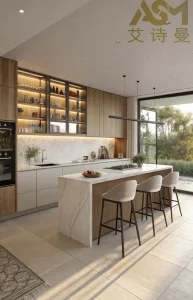
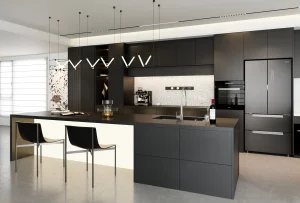
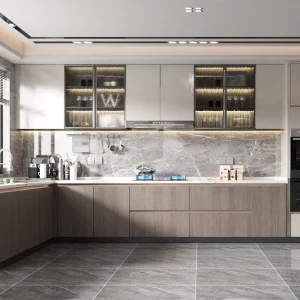
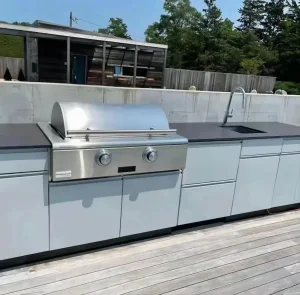
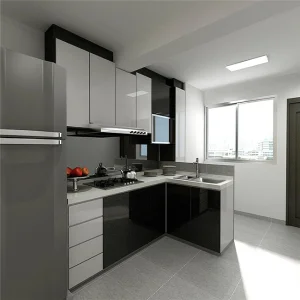
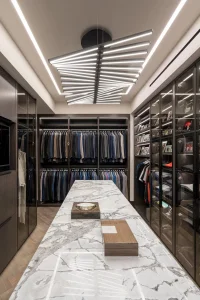
Explore engineering-grade modular systems designed for residential, commercial, and technical spaces, optimizing load distribution and space configuration.
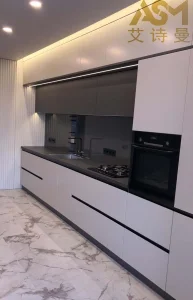
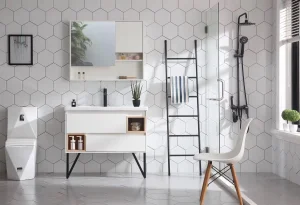
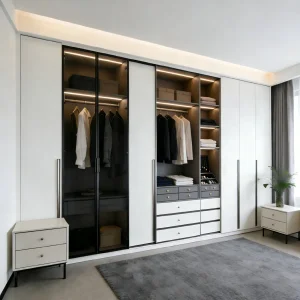
The global construction and space allocation paradigm is experiencing a fundamental shift. High density urban developments combined with the rise of flexible multi-family housing have catalyzed the demand for structural wall-mounted cabinet systems. Unlike traditional floor-standing furniture, wall-hung systems demand specialized anchoring hardware, strict material density certifications, and high-performance panel substrates.
From an engineering perspective, modern wall-cabinet architectures must support structural cantilevered loads. This requires specialized sub-frames, heavy-duty hanger brackets (such as 3D adjustable concealed brackets), and highly durable back panels. As modern architecture prioritizes visual light-weighting and floor space utilization, these cabinets are no longer just storage containers; they are integral functional zones designed to withstand daily mechanical dynamics.
Additionally, modern systems emphasize structural flexibility. By incorporating horizontal track systems, vertical standards, and slotted modular panels, contractors can customize configurations on-site. This structural approach minimizes the need for direct studs lining modifications, lowering architectural renovation costs in the long run.
The durability of wall-mounted cabinetry depends directly on substrate engineering and surface coatings. Leading manufacturers are moving away from traditional low-density particle boards toward moisture-resistant Medium Density Fiberboard (MDF) and structural Melamine Faced Chipboards (MFC) that comply with low-formaldehyde emission standards such as CARB Phase 2 and EPA TSCA Title VI.
In high-humidity spaces like kitchens and bathrooms, advanced manufacturers are utilizing waterproof aluminum alloy frames alongside quartz stone and glass combinations. Edge-banding technology has also progressed from standard EVA hot melts to Polyurethane (PUR) and laser edge banding. This creates seamless, moisture-impermeable joints that prevent wood fiber swelling and structural failure over time.
Understanding critical structural, commercial, and logistical variables is vital for professional developers, architects, and procurement managers when sourcing cabinet systems.
B2B buyers require certified testing for loading limits, bracket shear resistance, and cycle counts for soft-closing hinges (typically exceeding 80,000 to 100,000 cycles under full weight).
Determining whether to ship Ready-to-Assemble (RTA/flat pack) or pre-assembled depends on labor costs at the destination. Flat packing reduces freight volume by up to 60%, while pre-assembled units lower on-site installation labor costs.
Compliance with LEED and BREEAM certifications demands certified green supply chains. Sourcing from factories that provide chain-of-custody FSC certification guarantees raw timber is harvested responsibly.
| Cabinet Substrate Material | Density (kg/m³) | Moisture Resistance Index | Formaldehyde Rating | Ideal Application Scenario |
|---|---|---|---|---|
| Solid Hardwood (Oak, Ash) | 700 - 850 | Moderate (Requires PU Sealant) | Natural / Zero Urea-Formaldehyde | High-End Residential Master Suites |
| Marine Grade Plywood | 600 - 700 | Excellent (Hydrophobic Glue) | E0 / CARB Phase 2 | Wet Areas, Coastal Residences |
| High-Moisture Resistant (HMR) MDF | 750 - 800 | High (Green Core indicator) | E0 / Super E0 | Kitchen Cabinets, Bathroom Vanities |
| Melamine-Faced Particle Board (MFC) | 650 - 720 | Standard | CARB Phase 2 / F★★★★ | Commercial Office fit-outs, Wardrobes |
| Extruded Aluminum Alloys (6063-T5) | ~2700 | 100% Waterproof & Rustproof | Zero Emission (Non-organic) | Outdoor Kitchens, Medical Labs |
China's furniture production cluster, centered in Foshan, Guangdong, has evolved from a labor-intensive manufacturing center into an automated Factory 4.0 ecosystem. Advanced manufacturing plants integrate computerized design (CAD/BIM) with automated manufacturing execution systems (MES). This integration ensures high dimensional precision down to ±0.2mm, which is critical for modular cabinetry assembly.
By employing HOMAG CNC nesting machines, automated edge-banders, and robotic paint-spraying lines, factories minimize human error and material waste. This precision engineering means lower unit costs, consistent physical tolerances, and stable production schedules. In an era of volatile shipping lanes and variable raw material costs, the vertical integration of Foshan's hardware suppliers, timber processors, and logistical services provides reliable supply chain security for international buyers.
Our facility leverages this production structure to deliver OEM/ODM solutions tailored to diverse regional standards. We handle custom design configurations, verify load ratings, and optimize export packing dimensions to maximize container loads and minimize ocean freight costs per unit.
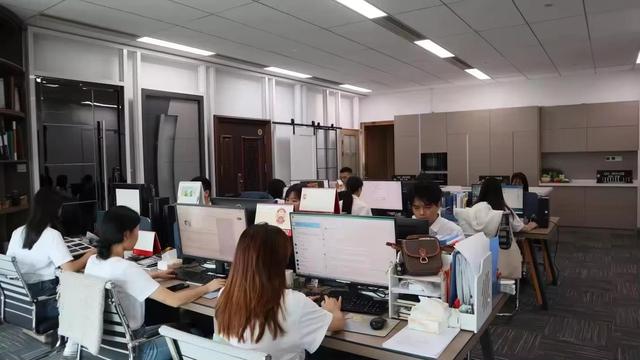
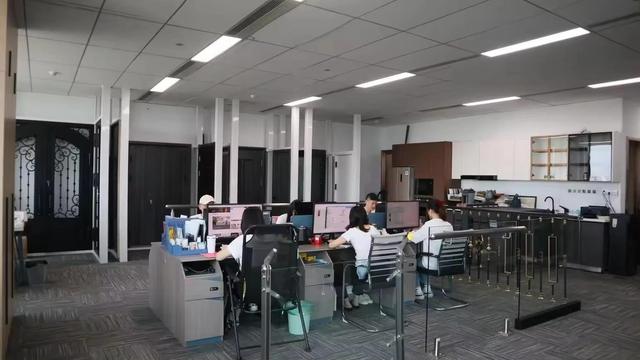
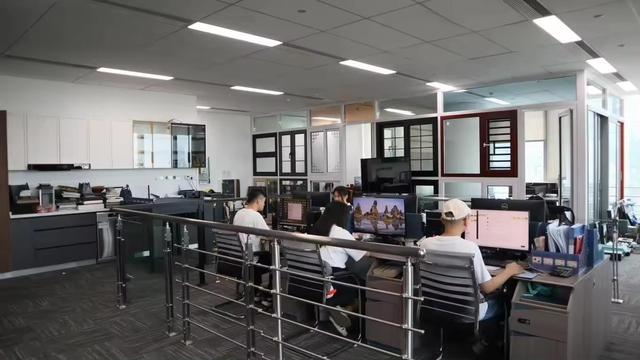
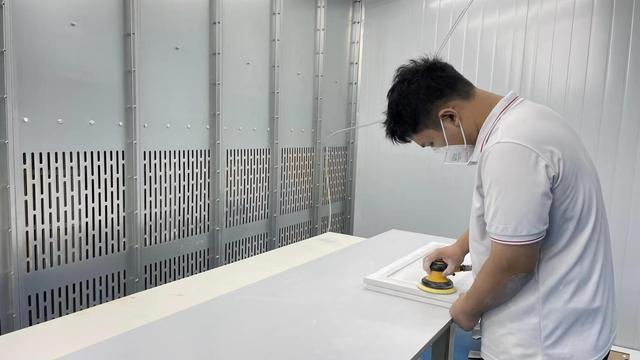
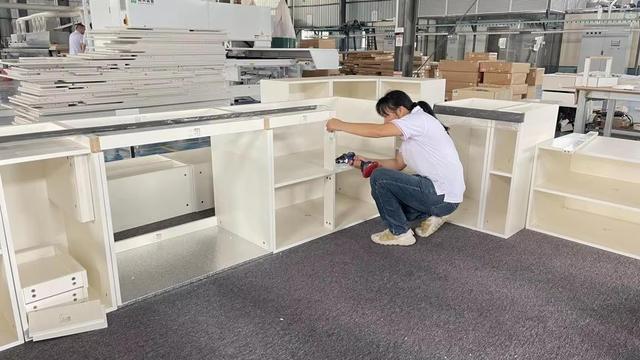
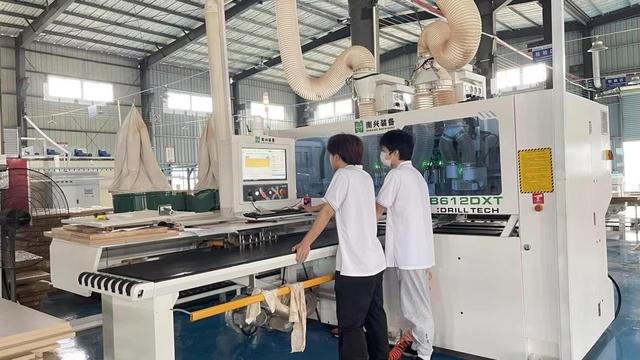
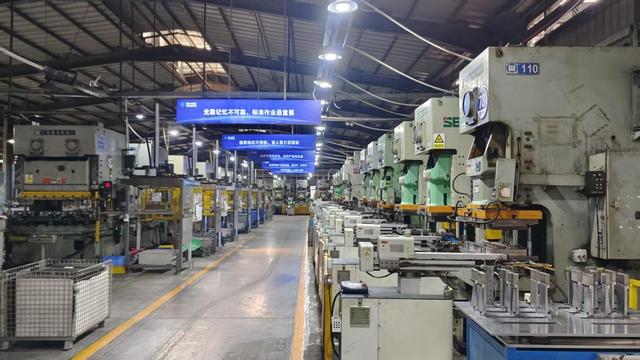
An inside look at our manufacturing infrastructure, CNC raw board processing lines, automatic linear edge banding, and packaging operations.
Wall-mounted cabinet layouts must adapt to regional construction regulations, moisture profiles, and structural designs.
In the USA and Canada, residential buildings typically utilize timber or metal stud frames spaced 16 inches or 24 inches on-center behind drywall. Wall-mounted systems must align with these stud spacing configurations. Heavy structural loads cannot rely solely on drywall anchors; instead, they must anchor directly into the framing studs or utilize structural wood blocking inside the wall cavity. Heavy duty French cleat hanging systems are standard for securing large kitchen upper units.
European residential and commercial buildings are often constructed with brick, concrete, or aerated autoclaved blockwork. While these solid walls offer excellent load-bearing capacity, they require specialized expansion anchors, nylon plugs, or heavy-duty chemical anchors. CONCEALED adjustable hanger systems (like Camar brackets) are popular in Europe, allowing installers to level the units easily using minor horizontal and vertical alignment screws.
In tropical and coastal zones (e.g., Southeast Asia, Caribbean, parts of South America), humidity levels frequently exceed 80%. Under these conditions, standard particle board is susceptible to mold, swelling, and structural failure. The industry standard shifts to High-Moisture Resistant (HMR) green-core MDF, structural Marine Plywood, or Aluminum alloy cabinets. Waterproof edge banding and anti-fungal lacquer coatings are crucial to ensure cabinet longevity.
In major metropolitan hubs like Tokyo, Hong Kong, London, and New York, micro-apartments and studio units require optimized vertical space utilization. Wall-mounted systems here incorporate dual-purpose design: drop-down tables integrated into wall units, sliding cabinet doors instead of hinged swing doors, and ceiling-height modular configurations to maximize storage density without restricting interior movement.
Foshan Bashan Living Co., Ltd. is a professional manufacturer specializing in modular kitchen cabinets and custom home storage solutions, dedicated to delivering modern, functional, and space-efficient furniture systems for global residential and commercial markets. Based in Foshan, China, a leading hub for furniture manufacturing, the company integrates design innovation with advanced production technology to meet diverse interior needs.
Bashan Living offers a wide range of products, including modular kitchen cabinet systems, PVC kitchen units, wardrobe storage systems, pantry organizers, and customized home storage solutions. Each product is designed with a focus on durability, moisture resistance, ergonomic functionality, and modern aesthetic appeal, making them suitable for apartments, villas, hotels, and real estate projects.
With a strong R&D and manufacturing foundation, Foshan Bashan Living Co., Ltd. continuously improves material selection, structural design, and production efficiency. The company utilizes advanced CNC machining, precision panel processing, and strict quality control systems to ensure consistent product performance and long service life.
Committed to global service and customer satisfaction, Bashan Living provides flexible OEM and ODM customization to meet different market requirements. The company’s mission is to enhance modern living spaces by offering practical, stylish, and cost-effective modular furniture solutions that improve comfort, storage efficiency, and overall home experience.
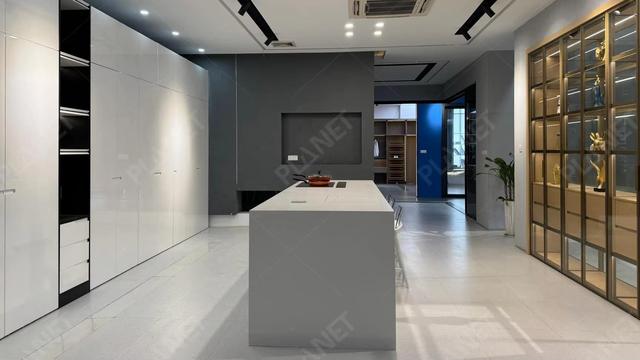
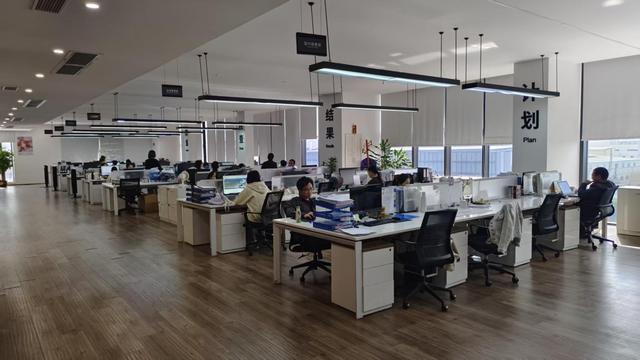
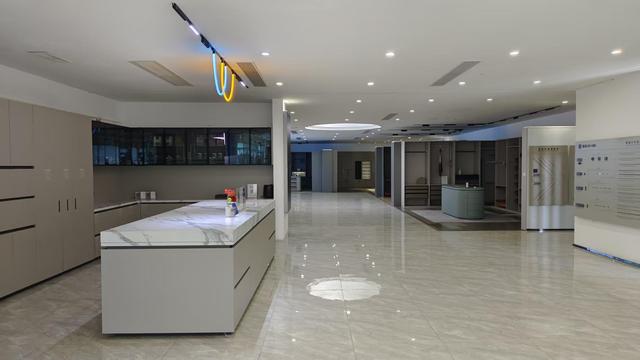
Our corporate facilities house extensive material libraries, modular design displays, and functional mock-ups that demonstrate our R&D capabilities.
Expert engineering answers to common procurement questions regarding wall-mounted cabinet systems.
The total weight-bearing capacity depends on three main variables: the substrate material (e.g., MDF vs. Plywood), the quality of the wall-hanging brackets, and the supporting wall structure itself. When anchored into solid masonry or wood studs using dual 3D-adjustable metal hanger brackets, a standard 900mm wide wall cabinet is rated to support between 60kg and 100kg of static load. Safety margins (typically 2x) are applied during factory load testing.
Polyurethane (PUR) adhesive is a reactive hot melt that cures chemically by cross-linking with ambient moisture, creating a highly thermal and water-resistant bond. Standard EVA adhesive is a non-reactive polymer that can re-melt under high temperatures (such as near stovetops) and is susceptible to moisture penetration. Sourcing cabinets with PUR edge banding prevents joint expansion and peeling, especially in high-moisture kitchen and bathroom environments.
Standard OEM/ODM production lead times generally range between 30 and 45 days after design confirmation and deposit receipt. This window covers raw board optimization, CNC nesting and drilling, edge banding, hardware integration, quality control checks, and flat-pack pallet wrapping. High-volume contract orders or custom lacquer finishes may require an additional 7 to 15 days.
For high-traffic multi-family developments, High-Pressure Laminates (HPL) and Melamine-faced boards offer the best resistance to scratches and impacts. For luxury residential projects, UV-cured lacquers and PET-laminated surfaces provide smooth, high-gloss or super-matte finishes with excellent fingerprint resistance and color stability under UV exposure.
We source structural hardware from internationally certified brands (such as Blum, Grass, or reliable domestic suppliers with SGS certification). During production, CNC pilot holes ensure hinge and slide mounting positions align within 0.1mm tolerances. This precise alignment reduces mechanical friction, preventing door sag and hardware wear over time.
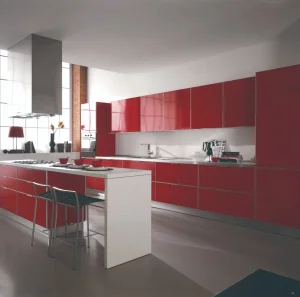
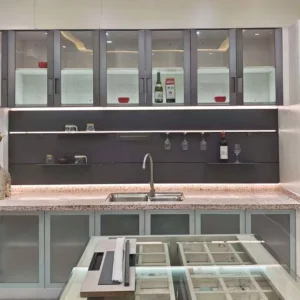
Browse our technical modular cabinets, storage organizers, and specialized utility structures engineered for global export.
 Bashan Living