A crowded home does not always need a costly renovation. Often, unused space is hiding in plain sight. The gap above a doorway, the back of a cabinet door, or the space beneath a bed can hold more than expected. Learning how to increase home storage without renovation starts with observing these overlooked areas carefully.
This approach protects your budget and reduces unnecessary construction waste. Experienced home organizers usually begin with a simple inventory. They measure shelves, identify rarely used items, and group belongings by frequency of use. Clear bins can store seasonal clothing under the bed. Slim rolling carts can fit beside a washing machine. Wall-mounted hooks can keep bags, keys, and cleaning tools within reach.
Small changes matter.
However, not every storage solution works perfectly in every home. Adhesive hooks may fail on dusty or uneven surfaces. Overfilled baskets can make a room look tidier while hiding disorder. I have found that attractive storage often becomes inconvenient when daily habits are ignored. Reliable planning means testing one improvement before buying several products. Choose strong materials, check weight limits, and keep walkways clear. Safety should guide every decision, especially in homes with children, pets, or older adults. This guide explores practical methods that improve capacity without changing your floor plan. It also considers the compromises, maintenance, and honest mistakes that can affect long-term results.
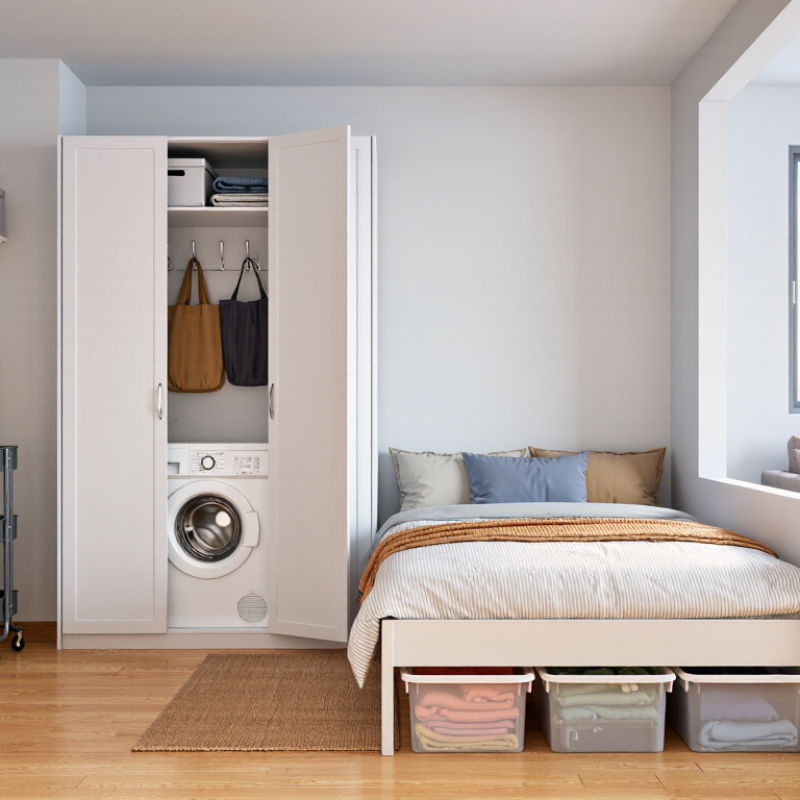
Why increase home storage without renovation? Because storage problems often come from poor visibility, not a lack of floor space. In practical small-home organizing work, unused areas appear everywhere: the 20-centimeter gap beside a cabinet, the back of a door, and the space beneath a bed. Vertical shelves, stackable bins, drawer dividers, and slim rolling carts can reclaim these areas without dust, demolition, or major expense.
The demand is real. The National Association of Home Builders’ 2024 “What Home Buyers Really Want” report lists a pantry and a laundry room among the most desired home features. Yet adding a built-in room is not always realistic. The 2024 U.S. Houzz Kitchen Trends Study also shows continued interest in improved kitchen storage. Small upgrades can support the same goal. Transparent containers make ingredients easier to find. Labels reduce repeated buying. A shallow entry cabinet can hold keys, shoes, and mail.
Tips: Measure before buying. Use matching containers only where they fit. Store daily items between waist and eye level. Keep heavy boxes low. Leave some empty space; a completely full shelf is difficult to maintain. A basket can hide clutter rather than solve it. That is worth admitting. Test one storage zone for a week before changing the whole home. According to the Self Storage Association’s 2024 demand data, millions of U.S. households use external storage, but better home organization may reduce unnecessary overflow.
Increasing home storage does not always require drilling walls or changing the floor plan. Nonstructural storage works with the space already available. It adds function without creating dust, noise, or permanent damage.
In a small apartment, I once used the empty area beneath a bed for seasonal bedding. Low boxes kept the room open and reduced visual clutter. Door-back organizers also turned unused surfaces into storage for cleaning cloths and small tools. A narrow rolling cart fitted beside the refrigerator. It held frequently used items without blocking movement.
Vertical space often offers the greatest opportunity. Freestanding shelves can use the height of a room while preserving the floor. Stackable containers make deep cabinets easier to manage. Clear labels help users find items without removing every box. Measure each area carefully before buying anything. A few centimeters can decide whether a drawer opens properly.
Safety still matters. Check weight limits, keep heavy objects low, and avoid blocking vents or emergency exits. Storage near sinks needs moisture-resistant materials and regular inspection. I once placed a container too close to a damp wall. The contents stayed usable, but the container did not. That mistake changed my habits. Efficient storage is not only about fitting more items. It is about access, stability, and daily comfort. The arrangement may look imperfect, but it should support real routines rather than imagined ones.
Storage should follow the room, not force the room to follow a renovation plan. NAHB’s 2024 What Home Buyers Really Want report found strong demand for laundry rooms. Eighty-six percent of buyers rated them essential or desirable. Pantry demand was also high, reaching 85%. These figures support flexible storage that adds function without construction, dust, or permanent commitments.
In an entryway, use a slim shoe cabinet, wall hooks, and a lift-top bench. A rolling cart can hold oils, utensils, or cleaning supplies in a narrow kitchen gap.
Under-bed drawers suit bedrooms, while removable wardrobe dividers control folded clothing. Bathrooms benefit from over-door racks and narrow carts that fit beside the sink.
In living rooms, storage ottomans can hide blankets, cables, and children’s games.
The National Association of Realtors’ 2023 Remodeling Impact Report gave closet renovation a 10/10 Joy Score. That finding suggests better storage can improve daily satisfaction, not only resale appeal. Still, flexible systems are not perfect. Open shelves collect dust, and rolling units may wobble on uneven floors. Measure door swings, walkway clearance, and item weight before buying.
A useful test is simple: store the items you use most at waist height, then review the arrangement after two weeks. Our first layout is often wrong. That is exactly why movable storage can be valuable.
Improving organization does not require moving walls or changing the floor plan. It begins with measuring how each room actually works. The 2024 National Association of Home Builders report found that 85% of buyers consider a walk-in pantry desirable. That demand reflects a practical problem: kitchens often store food, appliances, packaging, and cleaning supplies in limited cabinets.
Use vertical space before adding furniture. A tall cabinet can hold rarely used cookware above daily dishes. Shallow shelves can turn a blank hallway wall into useful storage. In a bedroom, under-bed containers can separate winter clothing from everyday items. Labeling helps, but clear containers often work better because their contents remain visible. Small changes matter.
Real-world organization also depends on habits. The 2024 U.S. Houzz & Home Study reported that storage upgrades remain a common part of home improvement projects. Yet more storage does not automatically create better order. I have seen households fill new containers within weeks. That is an uncomfortable lesson. Before buying anything, remove duplicates and measure the available depth. A 12-inch shelf may be more useful than a deeper unit that hides everything behind it. Use hooks near the entry for bags, keys, and coats. Keep frequently used items between waist and eye level. Leave some empty space. It makes daily maintenance easier and exposes what the household truly needs.
Expandable storage gives a home room to change without opening walls or replacing cabinets. A modular shelf can begin beside a desk, then grow around books, tools, or children’s supplies. This flexibility matters when a household’s needs shift every few years.
In my experience, adjustable units reduce wasted space because shelves can follow real object sizes. A tall compartment may hold a vacuum today and folded blankets later. Drawers can move lower when children need access. Extra sections also help separate seasonal items, keeping winter coats away from daily shoes. The installation is usually cleaner than renovation, with less dust, noise, and disruption to ordinary routines.
Time reveals another benefit: repair becomes more practical. If one panel bends, replacing that section may be easier than rebuilding an entire wall. However, expandable storage is not automatically perfect. Connectors can loosen, and repeated rearranging may leave visible marks on the floor. Lightweight materials may also struggle with heavy cookware or packed files.
Careful measurements and weight limits remain essential. Leave some empty capacity. A completely full system has nowhere to adapt.
Over time, the best arrangement may look less polished, but it often works better because it reflects actual living patterns.
Yes. Measure each room before buying storage. Use walls, cabinet height, and space under beds. No renovation is required.
Install a tall cabinet for rarely used cookware. Add shallow shelves along a blank hallway wall. Small changes matter.
Remove duplicate items first. Measure shelf depth carefully. A 12-inch shelf may work better than a deeper, crowded unit.
Clear containers keep contents visible. Labels can help, but labels are sometimes ignored. Visibility may work better in busy homes.
Keep daily items between waist and eye level. Place hooks near the entry for keys, bags, and coats. Keep it simple.
Modular shelves can change with household needs. One section may hold books today and children’s supplies later. Flexibility matters.
Connectors may loosen after repeated adjustments. Lightweight materials may bend under heavy cookware or packed files. It is not perfect.
Empty capacity allows future changes. A completely full system cannot adapt. It also makes daily maintenance easier, although unused space can feel wasteful.
Increasing storage does not always require construction, demolition, or a new floor plan. Learning how to increase home storage without renovation starts with making better use of overlooked areas, such as vertical walls, the space beneath beds, the backs of doors, and unused corners. Nonstructural options can improve capacity while keeping rooms open, accessible, and easy to adapt. Shelving, modular containers, hanging organizers, and movable cabinets can be selected according to the needs of bedrooms, kitchens, bathrooms, entryways, and work areas.
A practical organization system also depends on grouping similar items, assigning each category a clear place, and using labels or adjustable compartments when helpful. Flexible storage solutions make it easier to respond to changing household needs without altering the floor plan. Expandable units can be rearranged, combined, or moved as belongings and routines evolve, making them a cost-conscious and convenient choice for long-term organization.

Bashan Living