A crowded hallway, a kitchen drawer that will not close, or a closet with wasted height can expose a home’s storage weaknesses quickly. This explains why do homeowners prefer modular storage systems when planning practical upgrades. These systems use adjustable shelves, rails, baskets, and cabinets to fit changing spaces. They can also be removed without rebuilding an entire room.
Industry data supports this shift toward flexible home improvement. Harvard University’s Joint Center for Housing Studies reported that U.S. homeowner improvement and maintenance spending remained above $450 billion in 2024. That spending reflects a strong preference for upgrading existing homes. The 2024 U.S. Houzz & Home Study also found that homeowners continue investing in renovations despite higher project costs. Storage is a visible, daily-use improvement, not merely a decorative purchase.
Modular solutions offer measurable advantages. Homeowners can add drawers after a child’s needs change. They can reposition shelves when appliances become larger. Many systems also reduce installation waste compared with fixed, one-purpose cabinetry. The Freedonia Group’s research on cabinets and storage products identifies replacement activity and space efficiency as important market influences. Still, modular storage is not automatically the best choice. Poor measurements, weak hardware, or low weight limits can create frustration. A system may look elegant while failing under heavy cookware or winter clothing.
This guide examines seven practical reasons homeowners choose modular storage systems. It considers flexibility, installation, cost control, durability, organization, appearance, and long-term adaptability. Real homes are imperfect. Good storage should be, too.
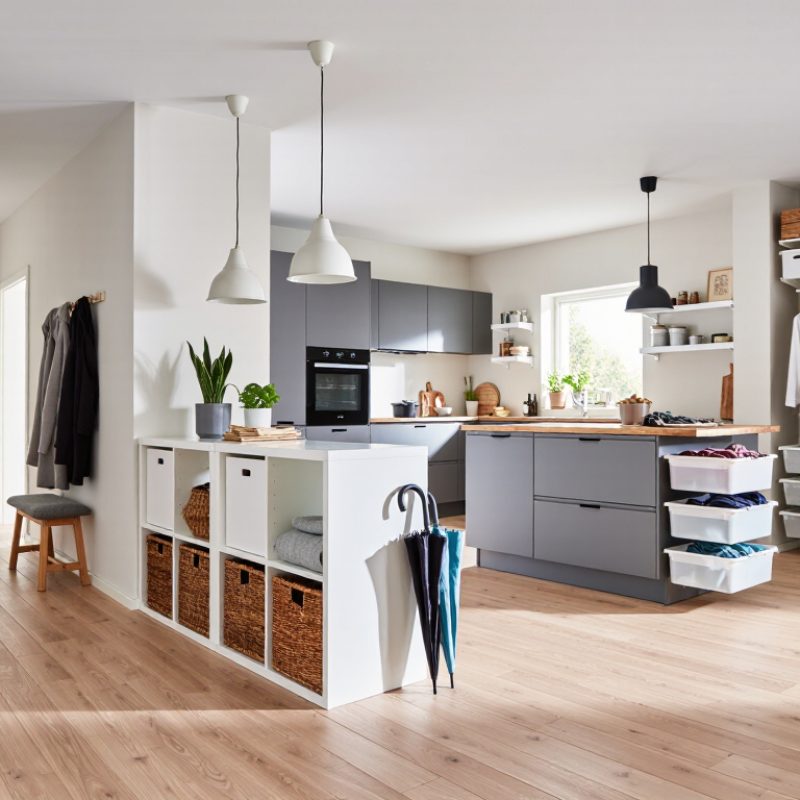
Modular storage systems are adjustable units designed to organize changing household needs. They usually combine shelves, drawers, hanging rails, baskets, and panels. Each part connects within a planned framework. Homeowners can rearrange or replace sections without rebuilding the entire storage area.
Unlike fixed cabinets, modular systems adapt to real rooms. A narrow entryway may need tall shelving for shoes and bags. A bedroom may require double hanging space, shallow drawers, and one open shelf. Measurements matter. Leave enough clearance for doors, walkways, and everyday movement. In my experience, a practical layout beats an attractive drawing that feels cramped.
Seven common reasons explain their popularity: flexible sizing, easier installation, better use of vertical space, simpler repairs, controlled costs, cleaner organization, and future expansion. Yet modular storage is not automatically efficient. Too many compartments can hide forgotten items. Heavy shelves may also need stronger wall support than expected. The first layout is rarely perfect. Living with it for a week can reveal awkward reaches, unused corners, or drawers that open into nearby furniture.
Quality depends on stable materials, accurate measurements, and secure installation. Check weight limits before storing books, tools, or kitchen equipment. Use anchors where the wall structure requires them. A reliable system should feel steady during normal use, remain accessible, and allow sensible changes when family routines shift.
Homeowners increasingly prefer modular storage because household needs rarely stay fixed. Space changes. A nursery may become a study, while an entryway must handle larger shoes, sports equipment, and seasonal coats. Adjustable shelves, movable drawers, and replaceable modules support these transitions without demanding a complete renovation. The 2023 American Community Survey reports an average U.S. household size of roughly 2.5 people, yet household routines vary widely. Storage should respond to daily life, not force every family into one layout.
Flexibility also supports smarter renovation spending. Harvard’s Joint Center for Housing Studies reported that homeowner improvement and maintenance spending reached about $472 billion in 2022, with spending projected near $485 billion in 2024. Modular systems can help homeowners improve one area at a time, such as adding pull-out baskets in a pantry before reorganizing a whole kitchen. That approach may reduce disruption and preserve future options. It is not always cheaper at the start. Better hardware and accurate measurements can increase the initial cost.
Professional installers commonly assess wall dimensions, weight limits, lighting, and access before recommending a configuration. That practical step matters. A tall cabinet may look efficient, but it can become difficult to reach or relocate.
The National Association of Home Builders’ 2024 buyer-preference research continues to identify storage-related spaces, including laundry rooms and pantries, as highly desirable features. Still, modular storage is not perfect. Too many components can create visual clutter. Homeowners should review what they actually use before adding another shelf.
7 Best Reasons Homeowners Prefer Modular Storage Systems?
Homeowners often choose modular storage because it adapts to rooms of every size. A narrow hallway can hold shallow cabinets without blocking movement. A large bedroom can combine drawers, shelves, and hanging sections. The layout grows with changing needs. Children’s rooms, home offices, and utility areas all benefit from adjustable components. Small spaces need precision.
Modular systems also make daily routines easier. Open shelves keep frequently used items visible, while closed compartments reduce visual clutter. Adjustable shelves can fit tall boots, folded blankets, or cleaning supplies. Clear zones help family members return items to the right place. That sounds simple. It matters every day. Durable panels, stable joints, and properly rated hardware improve reliability. Wall anchoring is essential when units are tall or heavily loaded.
Reconfiguration is another practical advantage. A homeowner can move shelves after a renovation, lifestyle change, or new appliance purchase. Replacing one damaged section may cost less than rebuilding an entire unit. However, modular storage is not automatically efficient. Poor measurements can leave awkward gaps or blocked doors. I have seen attractive layouts waste space because the user’s habits were ignored. Measure wall depth, walking clearance, and item sizes before selecting components. Leave a little room for future changes, even if the current arrangement looks complete.
7 Best Reasons Homeowners Prefer Modular Storage Systems?
Cost is often the first concern when planning home storage. Modular systems usually reduce expenses by using standard panels, fittings, and repeatable designs. Homeowners can purchase essential sections now and add more later. This phased approach helps protect household budgets during renovations. It also reduces material waste compared with fully custom construction. Measurements still matter. I once allowed too little clearance beside a garage door, creating an awkward gap. A second measurement prevented an expensive adjustment.
Installation is another practical advantage. Pre-designed modules arrive ready for assembly, so projects may require fewer skilled labor hours. Many installations can be completed without opening walls or changing electrical routes. That means less dust, noise, and disruption around the home. However, faster does not always mean effortless. Uneven floors, hidden pipes, and narrow stairways can complicate the work. A careful installer checks these conditions before ordering materials.
Long-term value comes from flexibility and repairability. Shelves can be repositioned as children grow, hobbies change, or storage needs increase. If one component becomes damaged, replacing that section may be simpler than rebuilding an entire unit. Durable finishes also help systems withstand daily contact with shoes, tools, boxes, and cleaning products. Good planning supports resale appeal, although storage alone cannot guarantee a higher property value. The strongest results come from accurate measurements, sensible layouts, and materials suited to the room’s humidity and daily use.
Typical planning ranges comparing modular storage with fully custom built-in storage.
Modular systems are often preferred because they can reduce project costs, shorten installation time, support future reconfiguration, and avoid the permanence of site-built cabinetry. Actual results vary by room size, materials, labor rates, and design complexity.
Customization, Durability, and Sustainable Home Storage Advantages
Modular storage systems adjust to real homes, not idealized floor plans. Homeowners can combine shelves, drawers, hanging rails, and closed cabinets around windows, sloped ceilings, or narrow hallways. This flexibility supports seven practical benefits: better space use, easier installation, simple repairs, long service life, lower replacement needs, cleaner organization, and future customization. A growing child’s room can become a study without replacing the entire system. That is useful, though measuring errors still happen.
Durability depends on more than thick panels. Moisture-resistant finishes, stable connectors, reinforced edges, and tested load ratings matter. The Business and Institutional Furniture Manufacturers Association recommends performance testing for strength, durability, and stability in storage furniture. Homeowners should check these specifications instead of trusting attractive photographs. In daily use, a drawer that opens smoothly after years matters more than a perfect showroom appearance.
Sustainability also deserves careful questioning. The United Nations Global Resources Outlook 2024 warns that global material extraction could rise by 60% by 2060 without major changes. Modular designs can respond through replaceable doors, adjustable components, and repairable hardware. Keeping one damaged section out of landfill is better than discarding a complete unit. Material claims still need verification, because “eco-friendly” can mean very little without recycled-content, emissions, or responsible-sourcing evidence. The U.S. Environmental Protection Agency also identifies furniture and furnishings as a substantial municipal waste category, making longer product life a practical environmental advantage.
Modular systems adapt when rooms and routines change. Shelves, drawers, and cabinets can move or expand. A nursery may later become a study.
It may reduce costs through standard parts and phased improvements. You can add pantry baskets before changing the entire kitchen. It is not always cheaper initially.
Pre-designed modules often require fewer labor hours. Installation may avoid wall opening and electrical changes. Uneven floors can still cause trouble.
Measure wall widths, ceiling height, door clearance, and stair access. Check hidden pipes and floor levels. A second measurement can prevent an expensive mistake.
Adjustable shelves suit growing children, new hobbies, and larger equipment. A hanging rail can become useful storage for sports clothing. Needs keep moving.
Durability depends on connectors, reinforced edges, finishes, and load ratings. Smooth drawers matter during daily use. Attractive photographs prove very little.
Replaceable parts can reduce waste when one section becomes damaged. Longer product life also lowers replacement needs. “Eco-friendly” claims still require evidence.
Well-planned storage may improve buyer appeal in pantries, laundry rooms, and entryways. It cannot guarantee a higher property value. Practical layouts matter more than excess shelves.
Modular storage systems are made from separate, interchangeable components that can be arranged, expanded, or repositioned to suit a home’s layout. This flexible approach helps homeowners adapt storage as their household needs change, whether they need space for clothing, books, kitchen items, tools, or seasonal belongings. From compact apartments to larger family rooms, modular units make it easier to organize different spaces efficiently while reducing clutter and improving everyday convenience.
So, why do homeowners prefer modular storage systems? They often provide a practical balance of affordability, simple installation, and long-term value. Homeowners can begin with a basic setup and add components over time instead of replacing an entire system. Their customizable designs support personal style and room dimensions, while durable materials can provide reliable everyday use. In addition, repairable, reusable, and adjustable parts may help reduce waste, making modular storage a sustainable and adaptable choice for modern homes.

Bashan Living