Why Are Home Storage Solutions Trending in 2026?
Home storage is no longer just about hiding clutter. Smaller rooms, hybrid work, and busy family routines make every shelf and drawer work harder. In 2026, homeowners are looking for storage that feels calm, flexible, and easy to maintain. Think of a narrow entryway with a bench, hooks, and a shallow cabinet—not a wall of bulky furniture.
Industry data helps explain the interest. The National Association of Home Builders’ 2024 What Home Buyers Really Want report found that 86% of buyers considered a laundry room essential or desirable. It is not a storage survey, but it points to demand for practical, organized household spaces. Houzz’s 2024 U.S. Houzz & Home Study found that 54% of surveyed homeowners had renovated in 2023, with median renovation spending of $24,000. That broader figure suggests people are investing in their homes, though it does not show how much went toward storage.
The useful question is: what are the latest trends in home storage solutions, and which ones genuinely make daily life easier? Expect more modular cabinets, built-in shelving, concealed storage, and adaptable spaces for work and family life. Some trends look beautiful in photographs but prove awkward beside a real coat pile or overflowing pantry. That matters. Good design should fit actual habits, not just a showroom. This guide explores the changes shaping home storage in 2026, using industry research as context while keeping everyday function in view.
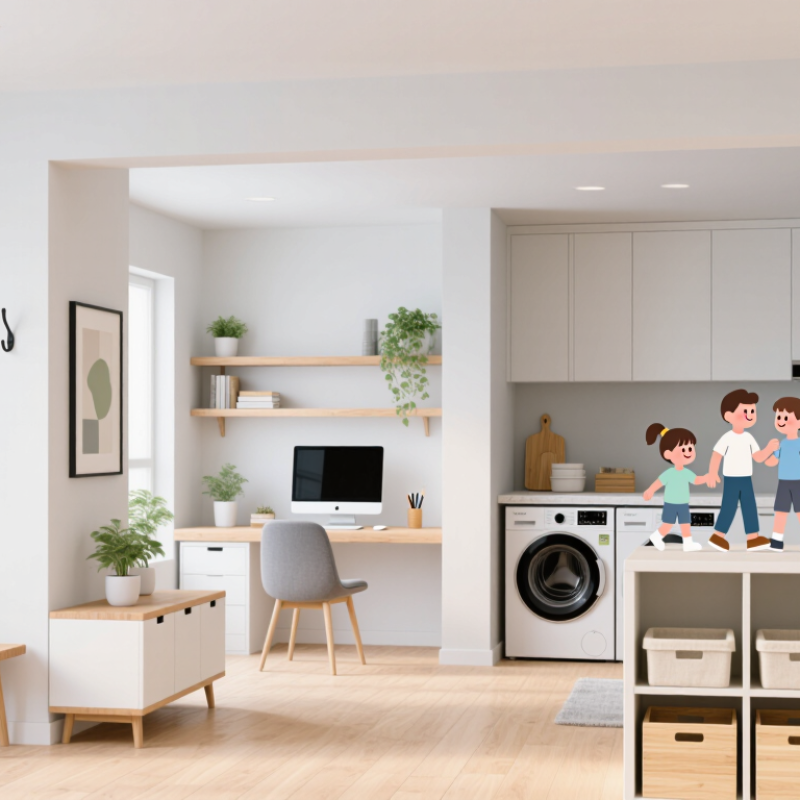
In 2026, home storage solutions extend beyond bins and built-in closets. They include walk-in pantries, adjustable kitchen drawers, wardrobe organizers, entryway benches, laundry shelving, and garage wall systems. The 2024 What Home Buyers Really Want report from the National Association of Home Builders found that 78% of buyers considered a walk-in closet in the primary bedroom essential or desirable; 76% said the same of a walk-in pantry. These figures describe surveyed U.S. buyers, not every household, but they show how storage features connect with everyday home preferences.
In practical terms, a useful system makes frequent items easy to reach: shallow drawers for utensils, labeled baskets for snacks, and hooks beside the door for bags. Adjustable shelves can accommodate changing needs, while vertical rails make use of narrow walls. Small details matter. A clear container helps, but only if its contents remain visible and easy to refill. Not everything fits. A deep cabinet may look generous yet hide small items, and a perfectly matched set of organizers can waste space when household routines change. Measuring the actual items and observing daily habits are more reliable starting points than copying a showroom layout.
Space pressure is making storage a practical part of everyday home design. In 2023, the U.S. Census Bureau reported a median 2,286 square feet for newly completed single-family homes. NAHB’s 2024 What Home Buyers Really Want survey found buyers preferred a median 2,067 square feet, down from 2,260 in 2021. These figures do not prove every household is downsizing. They do show why usable space matters.
When a hallway closet must hold coats, cleaning supplies, and a vacuum, wasted corners become noticeable. Residents are turning to tall shelving, under-bed drawers, and cabinets that use awkward gaps without blocking walkways. Small changes can help. A narrow pull-out beside a refrigerator, for example, may keep pantry items off a crowded counter. Yet storage cannot fix every problem: adding shelves can make a small room feel tighter if access and light are ignored. The space constraint is real, but solutions need to fit how people actually live.
Home storage is drawing attention in 2026 because daily routines keep changing. Hybrid work can turn a dining table into a desk by 9 a.m., then back into family space at dinner. A narrow cabinet near the entry can hold chargers, shoes, and reusable bags, keeping them out of the main walkway. Small shifts matter.
Households also need room for changing family needs. A child’s craft supplies, an older relative’s everyday items, or new exercise gear can quickly claim a corner. Clear bins and adjustable shelves make those belongings easier to find without assigning every object a permanent home. Not every home agrees. A storage system that suits one household may become awkward in another, especially when rooms serve several purposes.
The best starting point is noticing what repeatedly gets left out. Is it a laptop beside the sofa, or a pile of coats near the door? Storage should follow that routine, not an idealized picture of a tidy home. It is easy to buy containers before measuring a shelf or checking what actually needs keeping. That can create clutter in a prettier shape. A short trial helps: move items into a temporary basket for a week, then choose a lasting solution based on what the household really uses.
Home storage in 2026 is becoming less about adding cupboards and more about making every reach useful. The National Association of Home Builders’ 2024 What Home Buyers Really Want report found that 83% of buyers considered a walk-in pantry essential or desirable. That preference supports dedicated, visible zones: shallow pantry shelves, pull-out trays, and tall utility cabinets near laundry areas. Small wins matter. Adjustable rails and full-extension drawers let households adapt storage as needs change, without replacing entire cabinet systems.
Technology is entering storage quietly. Motion-activated cabinet lights can make dark corners easier to use, while simple inventory reminders may help prevent forgotten food. The AARP 2024 Home and Community Preferences Survey found that 75% of adults aged 50 and older want to remain in their homes as long as possible. That preference gives accessible shelves, clear labels, and easy-grip handles added value. Still, connected features are not automatically better: sensors need power, apps need upkeep, and a well-placed drawer can sometimes solve the problem more reliably.
Home storage is trending in 2026 partly because rooms often need to do several jobs. A spare bedroom may hold a desk, sports gear, and winter bedding. Built-in shelves can make that space feel calmer, but they are not automatically the best choice. Measure the items you actually own, including awkward things like a vacuum or folded stroller. Then check door swings, outlets, and walking space.
The benefits are practical: less visible clutter, easier access, and better use of narrow walls. The trade-offs deserve equal attention. Custom cabinetry can cost more than expected, and fixed shelves may not suit your next home. Freestanding units are easier to move, though they can leave gaps or wobble on uneven floors. Small details matter. Check weight limits, secure tall furniture against tipping, and avoid blocking vents or windows.
Think about what will live in the storage, not just how it looks in a photograph. A deep cabinet may hide boxes beautifully, then make daily items harder to reach. Clear bins help, but labels and a regular reset take effort. Honestly, the perfect system can still become messy. Start with one crowded area, track what you use for a few weeks, and choose a solution that fits your routine and budget.
How to Evaluate the Benefits and Trade-Offs of Home Storage
New homes have generally offered more floor area than they did in earlier decades, but square footage alone does not guarantee convenient, usable storage. Well-planned storage can make everyday items easier to access and help rooms feel more organized; the trade-offs include upfront cost, space used by built-ins, and the need to maintain or adapt the system over time.
Contextual housing data, not a direct measure of storage demand: median floor area of new single-family homes completed in the United States. Source: U.S. Census Bureau, Characteristics of New Housing. Latest year shown: 2023.
Walk-in pantries, shallow shelves, pull-out trays, and tall utility cabinets are popular. A 2024 buyer survey found that 83% wanted a walk-in pantry. Small wins matter.
Adjustable rails and full-extension drawers make shelves easier to reconfigure. They can help avoid replacing whole cabinet systems when your belongings change.
Motion-activated lights can brighten dark cabinet corners. Inventory reminders may help prevent forgotten food, though they need upkeep. Simple can be better.
Accessible shelves, clear labels, and easy-grip handles can make everyday items easier to reach. A 2024 survey found that 75% of adults aged 50 and older hoped to remain at home.
Measure the items you own, including awkward ones like a vacuum or folded stroller. Check door swings, outlets, and walking space too.
No. They can calm a busy room, but custom work may cost more, and fixed shelves may not suit your next home. I might be overvaluing a tidy-looking wall.
They are easier to move, but may leave gaps or wobble on uneven floors. Check weight limits and secure tall furniture against tipping.
Start with one crowded area and track what you use for a few weeks. Clear bins help, but labels need attention. Perfect systems still get messy.
Home storage solutions in 2026 go beyond basic cabinets and containers. They include flexible shelving, multi-purpose furniture, closet systems, and ways to organize everyday items in rooms of all sizes. As urban homes become more compact and living spaces serve multiple purposes, people are looking for storage that makes better use of vertical space, awkward corners, and areas beneath furniture. Remote work, changing household routines, and a preference for calmer, less cluttered interiors are also shaping what people need from their homes.
When asking “what are the latest trends in home storage solutions,” common themes include modular designs, adaptable layouts, discreet storage, and technology that helps people track or organize belongings. The best choice depends on a home’s available space, budget, durability needs, and ease of use. While customized or high-tech options can improve convenience, they may cost more or require careful planning. A practical solution balances capacity, appearance, and flexibility without adding complexity.

Bashan Living