Top 5 Benefits of PVC-Based Furniture Materials for Buyers?

Time:2026-06-07 Author:Charlotte
0%

In today's furniture market, buyers often seek materials that combine style, durability, and affordability. PVC-based furniture materials have gained popularity for a reason. They present several key benefits that attract modern consumers. If you're wondering what are the benefits of PVC-based furniture materials, you're not alone. Many are curious about how these materials can enhance their living spaces.

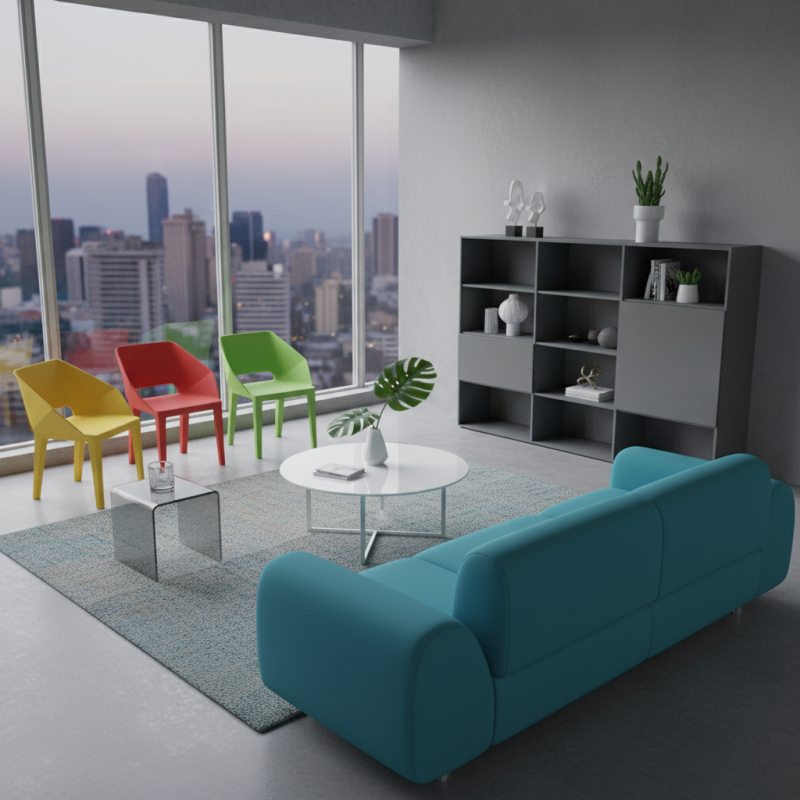
One significant advantage is the variety of design options available in PVC furniture. From vibrant colors to sleek finishes, there is something for every taste. Additionally, PVC materials are known for their exceptional durability, resisting scratches and stains effectively. This means less time worrying about maintenance and more time enjoying your furniture. However, some may question the environmental impact of PVC. Although it's essential to be informed about materials, many manufacturers are working towards eco-friendlier production methods.

Furthermore, price plays a crucial role in decision-making. PVC-based furniture typically costs less than traditional wooden options, making it budget-friendly. This affordability allows consumers to furnish their spaces without compromising quality. Yet, it’s wise for buyers to explore all aspects before making a choice. What may seem perfect at first glance can lead to reflections on their preferences and needs in home aesthetics.
Top 5 Benefits of PVC-Based Furniture Materials for Buyers?

Benefits of Durability and Longevity of PVC Furniture

PVC furniture materials have gained popularity due to their exceptional durability and longevity. Unlike traditional wood or fabric furniture, PVC is water-resistant and less prone to damage. This means you won’t have to worry about spills or moisture ruining your investment. The material can withstand regular use without showing significant wear, making it ideal for both homes and commercial spaces.

When considering PVC furniture, think about its maintenance. Cleaning is straightforward; a simple wipe down with a damp cloth is often all you need. However, avoid harsh chemicals that could damage the surface. This simple care routine can prolong the lifespan of your furniture significantly.

Also, consider the environmental impact. PVC is recyclable, which can help reduce waste. However, reflection is vital here. Some PVC production processes raise environmental concerns. Buyer awareness is crucial. Choose products that prioritize sustainability. Keeping these tips in mind will help you make a more informed and responsible choice.

Top 5 Benefits of PVC-Based Furniture Materials for Buyers

Benefit Description Longevity Maintenance
Durability Highly resistant to wear and tear, making it ideal for high-use areas. 10-15 years Low maintenance; easy to clean with soap and water.
Water Resistance Will not swell or warp when exposed to moisture. 15-20 years Minimal upkeep; withstands spills without damage.
Affordability More cost-effective compared to traditional wood or metal options. 7-12 years Requires only basic cleaning, reducing long-term costs.
Customization Available in a wide variety of styles, colors, and finishes for a tailored look. Variable Simple upkeep; customization does not impact maintenance.
Eco-Friendly Options Modern PVC materials are made from recyclable components. 10-20 years Easy to clean without harmful chemicals.

Cost-Effectiveness of PVC-Based Furniture Materials

PVC-based furniture materials are gaining traction among buyers due to their remarkable cost-effectiveness. The global furniture market is projected to reach $650 billion by 2027, with PVC materials steadily increasing their market share. A recent survey indicated that consumers are prioritizing affordability and durability in their furniture choices. PVC materials often cost up to 30% less than wood or metal alternatives, making them an attractive option for budget-conscious shoppers.

Moreover, the longevity of PVC is an essential factor. Products made from PVC can last over 20 years with minimal maintenance, unlike traditional materials that may require frequent repairs or replacements. According to industry reports, PVC furniture can withstand moisture and UV exposure better, reducing long-term costs for consumers. While some traditional materials have a classic appeal, the practicality of PVC cannot be overlooked.

Despite these advantages, there are concerns about environmental impact. Although PVC can be recycled, its production process involves harmful chemicals. This duality prompts buyers to weigh the benefits against broader ecological considerations. Understanding these complexities is vital for informed purchasing decisions. Furniture made from PVC may save you money, but potential environmental ramifications warrant careful thought.

Easy Maintenance and Cleaning of PVC Furniture

When it comes to choosing furniture materials, PVC stands out for its ease of maintenance. Unlike wood or fabric, PVC requires minimal effort to keep clean. A simple wipe with a damp cloth can remove dust and spills easily. This means less time scrubbing and more time enjoying your space.

The durability of PVC also plays a significant role in its maintenance. It is resistant to scratches and stains, making it ideal for high-traffic areas. Families with children or pets will find that PVC furniture holds up well under daily wear and tear. However, it is important to note that not all PVC is created equal. Selecting high-quality materials matters for durability and ease of upkeep.

While PVC furniture offers many benefits, there are also considerations. Some may feel PVC lacks the authentic aesthetic appeal of natural materials. This can lead to dissatisfaction for those seeking a more traditional look. It’s essential to weigh the pros and cons based on your personal style and lifestyle needs.

Variety of Designs and Styles Offered by PVC Furniture

PVC-based furniture materials have gained significant popularity due to their wide range of designs and styles. According to recent industry reports, the global furniture market is expected to grow by 5% annually, with PVC furniture playing a key role. This growth is largely attributed to its adaptability. Manufacturers can create diverse looks that cater to various tastes, from modern minimalist to vintage charm.

Customization is another advantage. Many buyers appreciate that PVC can be produced in countless colors and patterns. This flexibility allows consumers to find unique pieces that match their personal style and existing decor. A survey conducted by a leading furniture research firm indicated that 68% of consumers prioritize design aesthetics when selecting furniture.

Additionally, the texture and finish options available with PVC materials provide an appealing tactile experience. However, some buyers have expressed concerns about the long-term durability of PVC furniture. While it can mimic the appearance of wood or metal, it is essential for consumers to weigh aesthetic appeal against longevity. Thus, evaluating both style and substance becomes crucial in the purchasing decision.

Top 5 Benefits of PVC-Based Furniture Materials for Buyers

Environmental Considerations of PVC Materials in Furniture Production

PVC materials in furniture production present both benefits and challenges, particularly when it comes to environmental considerations. As a synthetic polymer, PVC has numerous advantages, such as durability and resistance to moisture. This makes PVC furniture ideal for those seeking longevity. However, the production of PVC raises concerns regarding environmental impact.

The manufacturing process involves the release of harmful chemicals. These can contribute to air and water pollution. Moreover, the long lifespan of PVC may lead to significant waste challenges at the end of its life cycle. Proper disposal can be tricky. Many consumers want to know about recycling options. Unfortunately, recycling PVC is not always straightforward.

On a positive note, some manufacturers are exploring sustainable practices. They look at recyclable and bio-based PVC alternatives. This shift is a step toward reducing environmental footprints. Customers can make informed choices by researching manufacturers committed to environmentally friendly practices. Balancing functionality and sustainability remains a challenge for the industry, as innovation continues to evolve.

FAQS

: What are the cost advantages of PVC furniture materials?

: PVC materials can be up to 30% cheaper than wood or metal options, appealing to budget-conscious buyers.

How long can PVC furniture last?

PVC products can last over 20 years with minimal maintenance, reducing the need for frequent replacements.

Are PVC materials resistant to environmental factors?

Yes, PVC furniture can withstand moisture and UV exposure better than some traditional materials.

What are the design options available with PVC furniture?

PVC offers a wide range of designs, from modern to vintage, appealing to diverse consumer tastes.

Is customization an option for PVC furniture?

Absolutely, PVC can be produced in various colors and patterns, allowing for unique decor match.

Are there environmental concerns regarding PVC furniture?

Yes, while PVC can be recycled, its production involves harmful chemicals, raising ecological questions.

How does the aesthetic appeal of PVC compare to traditional materials?

PVC can mimic wood or metal but may not have the same classic appeal.

Why is durability a concern for some PVC furniture buyers?

Some consumers are skeptical about the long-term durability of PVC, despite its cost benefits.

What should buyers consider when choosing PVC furniture?

Evaluate both style and substance to ensure the choice aligns with personal needs and environmental concerns.

How significant is the market growth for PVC furniture?

The global furniture market is expected to grow by 5% annually, with PVC furniture contributing notably.

Conclusion

PVC-based furniture materials offer numerous advantages for buyers, making them a popular choice in the market. One of the key benefits of PVC-based furniture materials is their exceptional durability and longevity. This type of furniture withstands wear and tear much better than traditional materials, ensuring that it remains in good condition for an extended period. Additionally, PVC furniture is cost-effective, providing an affordable alternative without compromising on quality.

Another significant benefit is the ease of maintenance and cleaning associated with PVC materials, as they resist stains and can be wiped down quickly. Furthermore, buyers can enjoy a wide variety of designs and styles, allowing for customization to fit different aesthetic preferences. Finally, when considering what are the benefits of PVC-based furniture materials, it's essential to note the environmental considerations; modern PVC production methods have improved sustainability, making it a more eco-friendly option compared to some traditional materials.

Charlotte

Charlotte

Charlotte is a seasoned marketing professional with a deep understanding of the company's portfolio and a passion for elevating its presence in the market. With a keen eye for detail and a commitment to excellence, she ensures that our professional blog is regularly updated with insightful articles......