Designing wardrobes for limited bedroom space can be challenging. However, with the right approach, you can create a functional and stylish solution. It's crucial to understand how to design wardrobes for limited bedroom space effectively. This involves combining creativity and practicality to maximize every inch.
Utilizing vertical space is essential. Consider tall wardrobes that draw the eye upward. Incorporating sliding doors can save precious floor space. Using baskets and shelves helps organize items efficiently. However, maintaining a balance between aesthetics and functionality can be tricky. You want your wardrobe to look good, but it must also serve its purpose.
Incorporating mirrors can enhance the sense of space. Reflective surfaces create an illusion of openness. Still, be cautious of clutter; too many items can overwhelm the design. Additionally, it’s important to assess what you truly need. Not all items must be kept. Choose wisely to keep the wardrobe both practical and manageable.
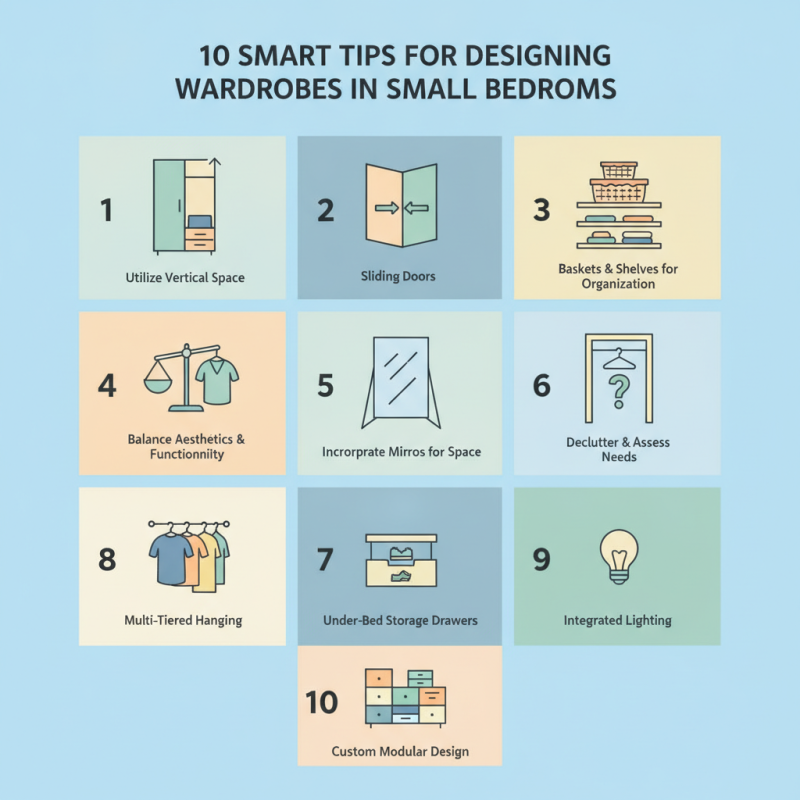
Designing wardrobes in small bedrooms presents unique challenges. Limited space forces us to think creatively about storage solutions. A bulky wardrobe can overwhelm the room, making it feel cramped. Instead, consider sleek, vertical designs. They take up less floor space and draw the eye upward, creating an illusion of height.
Lighting plays a significant role in small bedrooms. Poorly lit areas can make a wardrobe seem even larger. Incorporate soft, warm lighting to enhance the space. Mirrors are another effective tool. They reflect light and give the illusion of more space. However, don’t overdo it; this can create a cluttered look.
Think about multi-functional furniture. A wardrobe that also serves as a bench offers practical usability. This allows you to maximize the area without sacrificing style. Keep in mind that simplicity is key. Too many accessories can lead to chaos. Identify what you truly need and let go of the rest. Balancing functionality and design can be a trial-and-error process, but the outcome is well worth the effort.
When designing wardrobes for small bedrooms, maximizing vertical space is crucial. Tall wardrobes can create an illusion of height, making a room feel larger. Use floor-to-ceiling designs to draw the eye upward. This approach not only offers ample storage but also enhances the overall aesthetic. Consider sliding doors to save space and maintain a streamlined look.
Incorporating shelves above hanging areas can improve usability. Store items you rarely use on the highest shelves. This keeps everyday items within easy reach. However, it's essential to make a balance. Overloading the upper sections might create clutter. Clear out old items regularly to maintain organization.
Lighting plays a vital role too. Installing lights inside the wardrobe can illuminate your clothes and accessories. This small touch adds elegance yet remains functional. Consider adding hooks on the side for accessories. It's a clever way to use every inch of space. Remember, small adjustments can lead to significant impact, so rethink your design regularly.
In small bedrooms, every square inch counts. Designing a wardrobe that maximizes space is essential. One innovative way to save room is by incorporating multi-functional furniture. For instance, a wardrobe can include a built-in bench. This provides both storage and a seating area. Using a mirror on the wardrobe door can also make the space feel larger.
Consider furniture pieces that serve dual purposes. A wardrobe with sliding drawers can hold clothes and double as a nightstand. Folding shelves can transform into workspaces when needed. However, finding the right balance between functionality and aesthetics can be challenging. Sometimes, adjustments are necessary to see what works best in your space.
It is crucial to personalize your multi-functional wardrobe. Adding hooks for accessories or an open shelf for books can enhance usability. You might find that not everything fits perfectly. Reassessing your choices regularly can lead to better organization. Small changes can lead to a more efficient and stylish bedroom.
When designing wardrobes for small bedrooms, door styles and placement play a crucial role. Bi-fold doors can save space while providing easy access. They fold neatly against the frame, eliminating the need for extra clearance. Consider sliding doors as well. They glide open, making them ideal for tight spaces. Sliding mirrors can visually expand the room, adding both functionality and style.
The placement of wardrobes is equally important. Corner wardrobes can maximize otherwise wasted space. However, consider the flow of the room. A wardrobe too close to the bed can create a cramped feeling. Assess the room's layout carefully. Creativity in these areas can lead to a more functional design. Each choice shapes the room’s atmosphere.
Sometimes, the execution may not go as planned. A wardrobe that looks great in theory might feel overwhelming in practice. Think about materials and colors too. Lighter shades can open up the space, while dark colors may make it feel smaller. Experience is essential in finding the right balance. Reflecting on design choices can lead to better results. Aim for a wardrobe that enhances the bedroom, not constricts it.
When designing wardrobes in small bedrooms, light colors play a crucial role. According to a report by the American Society of Interior Designers, light hues can make a space appear up to 30% larger. Soft whites, pastel shades, and gentle greys can create an open atmosphere. This illusion can transform cramped corners into visually appealing areas. While light colors are important, using a monochromatic palette can sometimes feel too sterile. Mixing soft tones with earthy accents can offer warmth without sacrificing space perception.
Mirrors are another effective tool in small bedroom design. A study by the International Interior Design Association indicates that strategically placed mirrors can reflect light and create depth. They can double the visual space, making the room feel expansive. Placing a mirror behind a wardrobe door or opposite a window can enhance natural light. However, overusing mirrors might overwhelm a small room. It’s essential to strike a balance. A modestly sized mirror can positively impact the space without making it feel crowded.
Ultimately, it’s about finding the right combinations. Each bedroom is unique, and what works perfectly in one might not in another. Careful experimentation will lead to personal touches that reflect style and functionality. Embrace the challenge of optimizing small spaces while staying true to individual preferences.
: Limited space forces creative storage solutions. Bulky wardrobes can overwhelm and make the room feel cramped.
Poor lighting makes wardrobes seem larger. Soft, warm lighting enhances space but avoid overdoing it.
Sleek, vertical designs save floor space and create an illusion of height in the room.
Multi-functional furniture saves space by combining storage and usability, like a wardrobe that also serves as a bench.
Mirrors reflect light and create space. However, too many can lead to a cluttered look.
Personalization enhances usability. Hooks and open shelves can improve organization but may require regular reassessment.
Bi-fold and sliding doors save space. They provide easy access without needing extra clearance.
A wardrobe too close to the bed can feel cramped. Assess the layout for a balanced flow.
Lighter shades open up space, while dark colors can make a room feel smaller. Reflect on color choices.
Prioritize functionality and declutter regularly. Reflecting on design choices can enhance the overall space.
Designing wardrobes for limited bedroom space can be a challenging yet rewarding task. Understanding the unique challenges posed by small bedrooms is essential. Key strategies include maximizing vertical space with tall wardrobes that utilize upward storage, as well as incorporating multi-functional furniture such as beds with built-in drawers or foldable desks. Creative layouts and thoughtful door styles can enhance space efficiency, allowing for more accessible storage without compromising room flow.
Additionally, employing light colors and mirrors can significantly enhance the perception of space, making the room feel larger and more inviting. By integrating these smart tips, one can effectively learn how to design wardrobes for limited bedroom space while ensuring functionality and aesthetic appeal.

Bashan Living