In today’s fast-paced world, kitchens can quickly become cluttered. This clutter often leads to frustration and wasted time. Understanding how to reduce kitchen clutter effectively is essential for a more organized cooking space. A clean kitchen enhances both function and aesthetics.
Small changes can make a significant impact. Consider the surfaces in your kitchen. Is there too much on them? Removing unnecessary items can clear your workspace. Use storage solutions that fit your kitchen's design. This can help maintain order while reducing visual chaos.
While striving for clarity, some may struggle with letting go. Sentimental items can be tough to discard. Reflect on what you truly need versus what you keep out of habit. Effective decluttering requires questioning your choices. Embrace imperfection. Remember, a kitchen is a space for creation, not just storage.
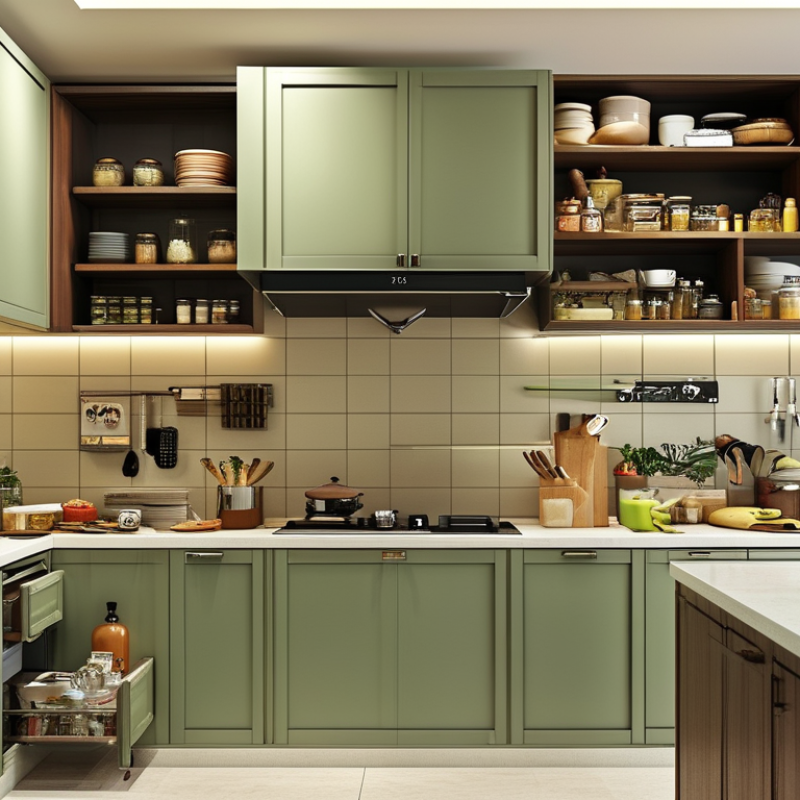
Kitchen clutter often arises from a combination of poor organization and overconsumption. Many households accumulate items over time, thinking they might need every special gadget or spice. Yet, these items often end up sitting unused, occupying valuable space. The consequences? A chaotic kitchen can lead to stress. It becomes harder to find what you need, increasing frustration during meal preparation.
Another significant cause is the sentimental attachment to items. Grandma’s old casserole dish or a set of mismatched cutlery may hold memories. While these objects are cherished, they can also contribute to overcrowding. Reflecting on what truly brings joy can help identify unnecessary clutter. Assessing the physical space and understanding personal habits are crucial steps in tackling kitchen clutter. A small declutter session weekly can bring about gradual but noticeable change. Being mindful of what you bring into your kitchen is essential for maintaining a serene cooking environment.
Assessing your kitchen organization starts with a keen eye. Walk through your kitchen and observe cluttered spots. Note how items are stored. Are pots stacked poorly? Are utensils mixed with gadgets? Identifying these issues helps inform changes.
Tips: Use smaller bins for better organization. Group similar items together. This can reveal forgotten tools and inspire you to declutter. If a counter feels cramped, it might be time to rethink your layout.
Look inside cabinets as well. Items may be hidden, and surfaces might feel cluttered unnecessarily. Don't hesitate to declutter items you rarely use. Keeping the essentials can make a significant difference.
Tips: Create a "donate" box for unused gadgets. This small step can open space for what you truly need. Every area should work for you, not against you. Be mindful of space, and adjust your organization frequently.
| Area | Issue | Potential Solution | Estimated Impact |
|---|---|---|---|
| Cabinet Space | Overstuffed cabinets | Declutter and organize by frequency of use | Improved accessibility |
| Countertops | Too many appliances | Limit appliances to essentials only | Cleaner surfaces, better workflow |
| Pantry | Expired items | Regularly check and refresh pantry items | Better food management |
| Silverware Drawer | Mixed utensils | Separate and organize by type | Easier cooking and serving |
| Refrigerator | Cluttered shelves | Implement a rotational system for food | Reduced waste |
The kitchen often becomes a chaotic space. Research shows that a cluttered kitchen can hinder productivity and increase stress levels. In 2021, a survey indicated that 67% of homeowners found their kitchens disorganized. Prioritizing and categorizing items is essential in overcoming this issue.
Start by assessing your kitchen items. Group similar items together. Keep utensils, cookware, and dishware in separate zones. If you haven’t used an item in over a year, consider letting it go. This method not only frees up space but also ensures you use what you have. You might stumble upon duplicate tools. Having fewer items leads to easier access and reduces distractions.
Tip: Create a “maybes” box for items you’re unsure about. Revisit it in six months.
For storage, utilize vertical space. Use shelves, hooks, or racks. Label containers to find items quickly. A study from 2022 confirmed that organized kitchens can reduce meal prep time by 25%. Clear surfaces enhance the cooking experience. This facilitates mindful cooking, allowing for better meal choices.
Tip: Dedicate a few minutes each week to tidy up. Small steps lead to lasting habits.
In 2026, reducing kitchen clutter is a modern necessity. Utilizing space effectively is key to a tidy kitchen. Start by analyzing your kitchen layout. Identify zones: cooking, cleaning, and storage. This helps in organizing items where they are most used.
Tips for efficient storage: Install shelves above countertops. They create vertical storage, saving precious counter space. Use clear bins for pantry items. This not only looks neat but makes finding ingredients easier. Magnetic strips can hold knives and metallic utensils, freeing drawer space.
Consider the tools you truly need. Sometimes, we hold onto gadgets that never see the light of day. Reflect on your cooking habits. If you rarely use that pasta maker, it might be time to part with it. Embracing simplicity can lead to a more functional kitchen. Seek balance; a clutter-free kitchen enhances creativity and makes cooking enjoyable.
Maintaining a clutter-free kitchen requires daily habits that can lead to long-term benefits. According to the National Association of Home Builders, 34% of homeowners report stress from clutter. Staying organized reduces this stress. Start by establishing a habit of cleaning surfaces after meals. A simple wipe down can keep countertops clear and inviting.
Investing just 10 minutes a day in organization can yield substantial results. The American Cleaning Institute found that only 30% of people regularly declutter their kitchens. Dedicate this time to toss expired items and sort through utensils. A tidy drawer makes meal prep smoother. Over time, these daily efforts can transform your kitchen into a more functional space.
Long-term tips include evaluating your storage solutions. The Kitchen and Bath Industry Association reports that 40% of homeowners wish they had better storage options. Invest in drawer organizers or stackable containers to maximize space. While it might seem tedious, reassessing your kitchen every few months can prevent accumulation of needless items. Remember, a clutter-free kitchen doesn’t happen overnight. It’s a journey requiring consistent effort and reflection.
: Walk through your kitchen and observe cluttered areas. Note how items are stored. Look for poorly stacked pots and mixed utensils.
It might be time to rethink your layout. Consider different storage options or reorganizing your items.
Create a "donate" box for gadgets you rarely use. This step opens space for essentials you truly need.
Grouping similar items helps reduce chaos and makes it easier to access what you need during cooking.
Create a “maybes” box. Revisit it in six months to decide if you still need the items.
Utilize shelves, hooks, and racks above countertops. Label containers for easy access to pantry items.
A well-organized kitchen can reduce meal prep time by 25%. Clear surfaces enhance the cooking experience.
Dedicate a few minutes each week to tidy up. Small, consistent efforts lead to lasting habits and clarity.
Consider your cooking habits. If a gadget is rarely used, it might be time to part with it.
A tidy kitchen enhances creativity and enjoyment in cooking, making the cooking process more fulfilling.
In "How to Reduce Kitchen Clutter Effectively in 2026," the article explores the critical aspects of managing kitchen clutter. It begins by examining the causes and consequences of disorganization, allowing readers to understand their clutter's root problems. Assessing one’s current kitchen organization is crucial, as identifying problem areas serves as the foundation for successful decluttering.
Subsequently, the article presents effective strategies to declutter by prioritizing and categorizing kitchen items, which helps streamline the organization process. Implementing efficient storage solutions maximizes the use of space, while maintaining a clutter-free kitchen relies on establishing daily habits and long-term tips. Overall, the article provides comprehensive guidance on how to reduce kitchen clutter effectively, ensuring a more organized and functional cooking environment.

Bashan Living