The shift towards modular furniture is not merely a design trend; it's a reflection of evolving consumer needs. According to a recent report by Grand View Research, the global modular furniture market is projected to reach $80 billion by 2025, growing at a CAGR of 5.9%. So, why is modular furniture becoming a global trend? One primary factor is urbanization. As more people move to metropolitan areas, living spaces shrink. Modular furniture offers space-saving solutions that blend functionality and style.
Furthermore, the increasing preference for sustainability plays a significant role. A study by the Furniture Today indicates that over 60% of consumers now prioritize eco-friendly products. Modular systems often use sustainable materials and are designed for longevity, appealing to environmentally conscious buyers. Yet, there are challenges. While modular furniture is versatile, it may lack the personalized touch of traditional pieces, prompting customers to reflect on their choices carefully.
The trend represents a shift towards a more adaptable lifestyle. As remote work continues to rise, the demand for multifunctional furniture grows. Consumers desire pieces that easily accommodate changing needs. However, finding the perfect balance between adaptability and aesthetic appeal can be challenging for some buyers. Understanding this dynamic can provide insight into why modular furniture is gaining momentum worldwide.
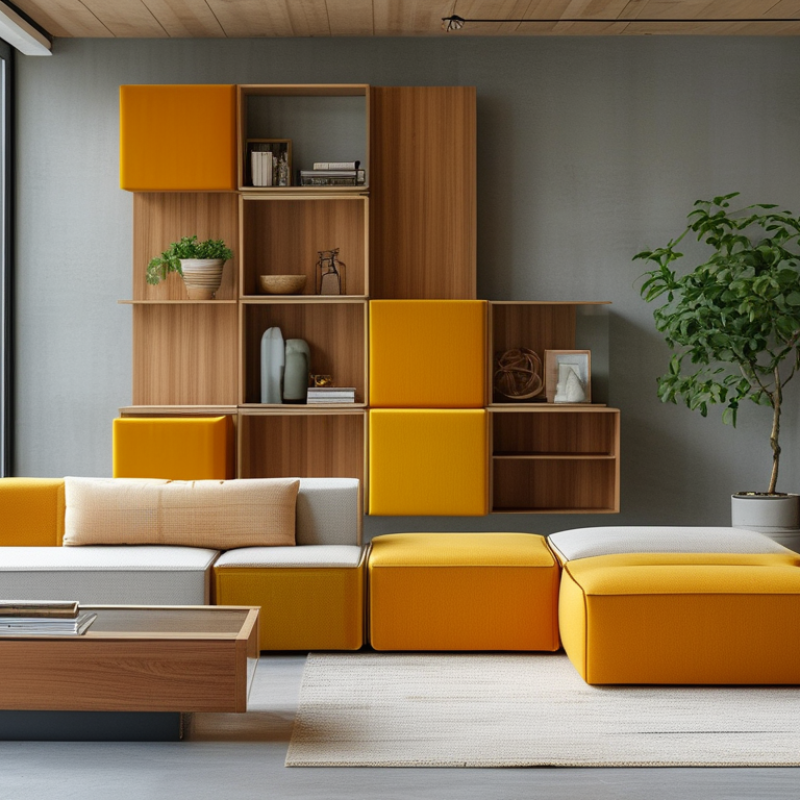
Modular furniture is becoming increasingly popular in contemporary design. It offers flexibility that traditional pieces often lack. Individuals seek adaptable solutions for their unique living spaces. Modular designs can be rearranged easily to suit various needs. This capability appeals to urban residents living in smaller homes.
A key reason for the rise of modular furniture is its space-saving potential. Pieces can be combined or separated as desired. This allows homeowners to personalize their environments. The design often emphasizes clean lines and modern aesthetics. However, accessibility and affordability remain concerns for many. Not all designs are within reach for everyone.
Sustainability is another important aspect. Many modular pieces are made from eco-friendly materials. Yet, the environmental impact of mass production raises questions. Consumers must consider the longevity of their choices. Fast trends can lead to quick disposals, contradicting sustainable intentions. As consumers navigate these complexities, the future of modular furniture will depend on thoughtful design and responsible consumption.
Modular furniture is gaining traction worldwide for several key reasons. One major advantage is its versatility. Consumers appreciate how these pieces can adapt to different spaces and functions. They can rearrange furniture for various occasions without much hassle. Each module serves a specific purpose, allowing for efficient use of space. This makes modular designs perfect for urban living, where square footage is limited.
Another factor driving the popularity is the focus on sustainability. Many modular options are made with eco-friendly materials. This appeals to consumers who are environmentally conscious. They want to make choices that reflect their values. Modularity also means that pieces can be repaired or replaced individually, reducing waste over time. This aligns with a growing trend toward mindful consumption.
Moreover, the aesthetic appeal of modular furniture cannot be overlooked. Its clean lines and contemporary designs attract a broad audience. However, not every modular design achieves perfect functionality. Some may not fit all spaces as intended. Users often find themselves rethinking their arrangements after purchase. This is part of the charm, though. It encourages creativity and personalization, making each space unique.
| Benefit | Description | Impact on Popularity |
|---|---|---|
| Flexibility | Allows users to rearrange and customize furniture according to their needs. | Increased appeal for modern living spaces. |
| Space Efficiency | Optimizes the use of available space, ideal for smaller apartments. | Grows popularity in urban settings with limited space. |
| Cost-Effectiveness | Modular pieces can be more affordable than traditional furniture. | Attracts budget-conscious consumers. |
| Sustainability | Often made from eco-friendly materials and designed for longevity. | Appeals to environmentally-conscious buyers. |
| Stylish Design | Contemporary aesthetic that suits various interior styles. | Attracts design-oriented customers. |
Modular furniture is rapidly gaining popularity worldwide, driven by its sustainability and flexibility. These innovative designs cater to modern living and changing needs. Consumers are increasingly drawn to pieces that can adapt over time. This versatility allows for easy reconfiguration, making even small spaces functional.
Sustainability is a significant factor here. Modular furniture often uses eco-friendly materials, minimizing waste during production. This means the lifecycle of a product is extended. High-quality, modular designs can last longer than traditional furniture. Consider purchasing items that can be repaired or upgraded. Investing in timeless designs that suit various aesthetics is also wise.
Flexibility extends beyond functionality. In rapidly evolving urban environments, modular pieces can be moved and reassembled as needed. This adaptability encourages creative use of space. Think about how you can rearrange furniture according to season or occasion. Regularly reassess your layout for better flow. The appeal of modular solutions lies in their ability to keep up with your lifestyle changes, making them a smart and sustainable choice.
The modular furniture market is rapidly evolving, driven by urbanization and shifting lifestyles. People today seek flexible solutions for their homes and offices. This demand influences manufacturers to create adaptable and multifunctional pieces. These pieces cater to small living spaces and promote a minimalist approach. The ease of assembly and disassembly adds to their appeal.
Design trends reflect a global influence, merging styles from different cultures. Minimalist Scandinavian designs meet vibrant Asian aesthetics. Such hybrids attract a diverse audience.
Sustainability also plays a crucial role. Consumers prefer eco-friendly materials and production processes. Brands embracing this trend gain a competitive edge. Modular furniture's versatility speaks to modern living, allowing personal expression.
Despite their advantages, modular pieces can sometimes lack character. Mass production often leads to uniformity. Some consumers may find it challenging to create unique spaces. It raises a question: does convenience compromise individuality? This ongoing dialogue shapes the future of modular design. Finding balance between functionality and distinctiveness remains essential in this evolving market.
Modular furniture is evolving rapidly. Designers focus on flexible pieces that adapt to changing needs. Not only do they offer versatility, but they also enhance small living spaces. One notable innovation is furniture that transforms with ease, allowing users to switch from a couch to a bed in seconds. Such designs reflect today's fast-paced lifestyle, where convenience is key.
Sustainability is another driving force in modular furniture. Many manufacturers use eco-friendly materials that are both durable and stylish. This trend fosters mindfulness in consumers. They seek to minimize waste and invest in pieces that last. However, some designs may lack the charm of traditional styles. There's a delicate balance between modern functionality and timeless aesthetics.
As technology advances, smart modular furniture is becoming a reality. Imagine pieces integrated with wireless charging or smart home features. Yet, this innovation also raises questions about complexity. Is it possible to design with both simplicity and tech? This duality is something designers must tackle moving forward. Each innovation brings new challenges, urging us to rethink the way we interact with our environment.
This chart illustrates the various reasons contributing to the increasing global interest in modular furniture in 2023. Sustainable materials lead the way, followed by customization options and space efficiency.
: Modular furniture consists of individual pieces that can be rearranged or combined for various uses.
Its versatility helps maximize limited space, allowing easy rearrangement for different occasions.
Many modular pieces use eco-friendly materials, reducing waste and promoting mindful consumption.
No, some designs may not fit all spaces well, prompting users to adjust their arrangements.
Recent designs allow for easy transformations, like a sofa changing into a bed within seconds.
Smart features, like wireless charging, are becoming common, but they also raise complexity questions.
Yes, some modern modular furniture sacrifices charm for functionality; this balance is crucial to consider.
Yes, individual pieces can often be repaired or replaced, promoting longevity and reducing waste.
Clean lines and contemporary styles attract consumers, though some may not be as functional.
After purchasing modular pieces, users may discover better ways to utilize their space creatively.
The rise of modular furniture in contemporary design showcases a shift towards more adaptable and versatile living spaces. As urbanization continues to increase, many individuals and families are drawn to the unique benefits of modular solutions, such as space efficiency and customizable configurations. Key factors driving this trend include sustainability, as modular designs often utilize eco-friendly materials and reduce waste, alongside the flexibility they offer for various lifestyles and needs.
The appeal of modular furniture extends beyond individual preferences, reflecting global market trends that emphasize innovation and adaptability. As designers and manufacturers explore future advancements, the question remains: why is modular furniture becoming a global trend? The answer lies in its ability to respond to modern living requirements while promoting creative expression, making it an ideal choice for consumers worldwide.

Bashan Living