How to Match Kitchen Design with Home Interior Style Trends?

Time:2026-07-08 Author:Amelia
0%

Creating a harmonious home starts with understanding how to match kitchen design with home interior style. The kitchen is often the heart of the home. It should reflect your overall design aesthetic while meeting practical needs. Many homeowners struggle with this aspect. They may feel overwhelmed by choices.

It’s important to consider various styles, such as modern, rustic, or minimalistic. Each has its own colors and materials. Choosing the right elements can enhance your home's character. Visual coherence can dramatically improve your living space. Yet, without careful thought, mismatched designs can create chaos.

Incorporating personal touches is essential, but too many can lead to confusion. Finding balance is key. Understand that each style has unique requirements. Focus on the details that resonate with your lifestyle. This approach makes your kitchen not just functional but also a reflection of who you are. Trust the process. Before long, you’ll find your ideal match.
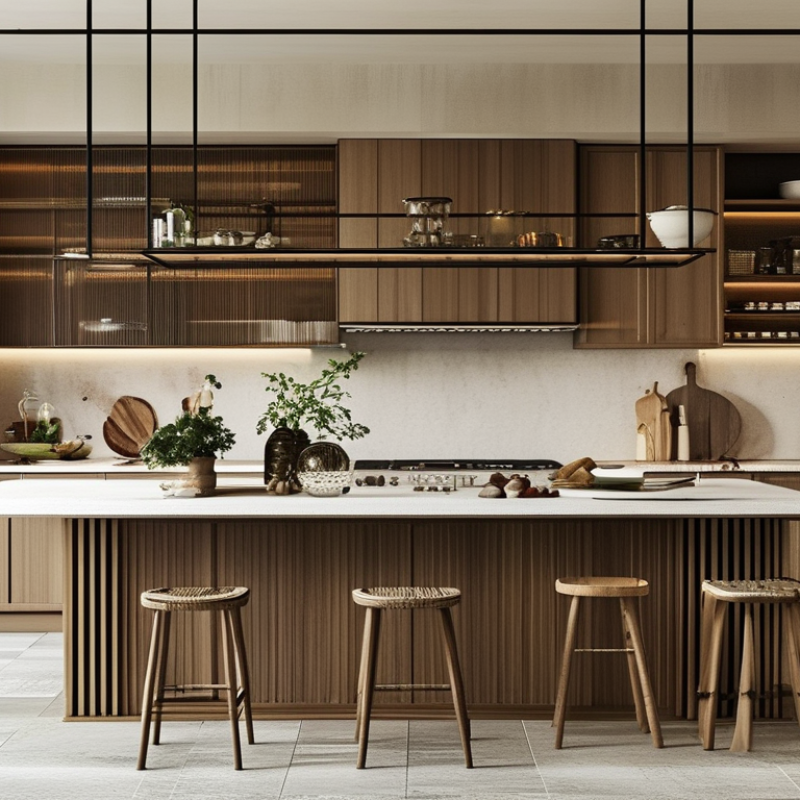
How to Match Kitchen Design with Home Interior Style Trends?

Understanding Home Interior Style Trends

When designing a kitchen, understanding home interior style trends is essential. Recent studies show that 75% of homeowners prioritize kitchen design when updating their homes. Popular styles include modern, farmhouse, and industrial, each with distinct characteristics. Modern kitchens often feature sleek surfaces, while farmhouse designs embrace warmth with rustic elements.

To align your kitchen with your home’s style, consider the color palette. Reports indicate that neutral tones are in high demand, making up 43% of kitchen designs. A cohesive color scheme helps create visual flow throughout your home. Select countertops, cabinetry, and tiles that enhance your chosen style, ensuring they incorporate textures and finishes that resonate with the overall design of your house.

Tip: Incorporate mixed materials. Combining wood, metal, and stone can add depth to your kitchen’s aesthetic. However, be cautious not to overdo contrasting elements, as this may lead to visual chaos. Moderation is key in achieving a balanced look.

Embrace open shelving for a farmhouse feel, but it requires careful styling. Items on display should be organized yet inviting. Empty spaces or mismatched items can dilute the overall effect, so be mindful of what you showcase. A little imperfection can add character, but it’s crucial to maintain cohesion with the rest of your home.

Analyzing Kitchen Design Elements

When analyzing kitchen design elements, it's crucial to understand the interplay between aesthetics and functionality. The National Kitchen and Bath Association reports that 70% of homeowners prioritize functionality in their kitchen layouts. This need for practicality often influences material selection and layout choice, aiming for both beauty and efficiency.

Color schemes play a significant role in kitchen design. According to a recent survey by Houzz, 40% of homeowners prefer warm tones for their kitchens, as these create a welcoming atmosphere. However, too much warmth can make a space feel closed off. Striking a balance with cooler tones or neutral accents can open up the space, fostering a more inviting environment.

Appliances are another key element, with tech-savvy features gaining popularity. A survey from Statista found that 47% of consumers are considering smart appliances in their redesigns. However, the installation costs and potential learning curve can be daunting. This reflects the ongoing challenge of harmonizing modern technology with traditional design elements, requiring thoughtful integration for true innovation in the kitchen.

Choosing a Color Palette that Complements Your Interior

Choosing a color palette for your kitchen can be a daunting task. The right colors should reflect your home’s interior style while creating a cohesive look. For a modern home, soft neutrals like taupe or white can enhance the brightness and space. In contrast, earthy tones like olive or terracotta might suit a rustic interior.

It's essential to consider how your kitchen interacts with other spaces. Choose colors that flow from the kitchen to adjacent rooms. Combining shades can create a sense of unity. However, experimenting with bold colors can also be appealing. A deep navy or rich emerald can serve as an accent that draws attention.

Remember that imperfections can add character. A mismatched color scheme may surprise you with its charm. Don't be afraid to test paint swatches on your walls. Living with your choices for a few days can help clarify your vision. Trust your instincts, and let the colors inspire joy in your space.

Incorporating Functional Layouts in Kitchen Design

Incorporating functional layouts in kitchen design is crucial for modern homes. Research indicates that efficient kitchen layouts can significantly enhance usability. A well-planned kitchen often has zones for cooking, cleaning, and preparation, making work seamless. The National Kitchen & Bath Association suggests that the kitchen triangle, which connects the stove, sink, and refrigerator, should remain unobstructed.

Tips: Consider the flow of movement when designing. Avoid long walking distances between key areas. Aim for a layout that keeps all essentials within easy reach.

Another aspect to consider is storage solutions. Open shelving or deep drawers can optimize space efficiency. A study found that nearly 70% of homeowners prioritize storage when renovating kitchens. Such choices improve functionality, yet they may not suit every aesthetic.

Tips: Incorporate mixed materials for a balanced look. Combine open shelves with closed cabinets to avoid clutter. Always reflect on how your choices impact both style and function.

Selecting Materials and Finishes to Match Home Style

Choosing the right materials and finishes is crucial for matching your kitchen design with your home's interior style. Natural elements like wood or stone can add warmth and texture. Consider using reclaimed wood for cabinetry. This choice brings a rustic charm while ensuring sustainability. Stone countertops, like granite or marble, can enhance elegance and durability. They work well in both modern and traditional settings.

Color plays an important role in cohesion. Soft neutrals can create a calming effect, while bolder hues can make a statement. Choosing the right paint or finish for cabinets can transform your space. For a sleek look, opt for a high-gloss finish. On the other hand, matte finishes tend to show fingerprints, requiring more maintenance. Mixing finishes, such as matte and glossy, can create visual interest but may require careful planning to avoid chaos.

Reflecting on your choices is vital. Sometimes, what looks good on paper doesn't translate well in reality. It's worth experimenting with samples before committing. Visiting showrooms or consulting with a designer can provide deeper insights. Be open to adjusting your initial vision. Your kitchen should feel like an extension of your overall home vibe. The blend of materials and finishes should resonate with your personal style, not just trends.

FAQS

: What are the popular kitchen design styles?

: Modern, farmhouse, and industrial styles are popular. Each offers unique features and aesthetics to consider.

How important is the color palette in kitchen design?

A cohesive color palette is crucial. Neutral tones are highly favored, promoting visual flow throughout the space.

What materials can enhance kitchen aesthetics?

Mixing wood, metal, and stone can add depth. However, too much contrast can create visual chaos.

How can I achieve a farmhouse feel in my kitchen?

Open shelving is key, but styling is important. Organize items to create an inviting atmosphere without clutter.

What layout should I consider for a functional kitchen?

Focus on a layout that includes cooking, cleaning, and preparation zones. Keep essential areas easily accessible.

How can I optimize kitchen storage?

Use open shelving and deep drawers for efficiency. Balance them with closed cabinets to maintain style and avoid clutter.

What impact does layout have on kitchen usability?

An efficient layout enhances usability. It should allow for smooth movement between the stove, sink, and refrigerator.

Should I prioritize style or function in my kitchen design?

Both are important. Reflect on how design choices affect both aesthetics and functionality in your kitchen.

Can imperfections add value to kitchen design?

Yes, slight imperfections can add character. However, they should align cohesively with the overall home style.

What should I avoid when mixing materials in my kitchen?

Be careful not to overdo contrasting elements. Too much can lead to a chaotic visual impact.

Conclusion

To successfully understand how to match kitchen design with home interior style, it is essential to start by recognizing the current interior style trends, which can guide your choice of designs. Analyzing key kitchen design elements such as layout, functionality, and aesthetics is crucial. Incorporating a color palette that complements your home's overall scheme can create a cohesive look throughout the space.

Furthermore, selecting appropriate materials and finishes that align with your home’s interior style will enhance the kitchen's appeal. Whether opting for a modern, farmhouse, or traditional design, it is important to ensure that every aspect of your kitchen reflects the desired aesthetic while maintaining functionality. By following these guidelines, one can effectively create a kitchen that harmonizes beautifully with the home's overall design.

Amelia

Amelia

Amelia is a seasoned marketing professional with a wealth of expertise in our company’s core offerings. With an unwavering passion for driving growth and innovation, she plays a pivotal role in shaping our marketing strategies and enhancing brand visibility. A key aspect of her responsibilities......