How to Maintain Kitchen Cabinets for Longevity and Durability?

Time:2026-08-07 Author:Sienna
0%

Kitchen cabinets are essential in any cooking space. They contribute to functionality and style. However, maintaining them is often overlooked. Understanding how to maintain kitchen cabinets for long-lasting use is crucial for every homeowner.

Neglecting cabinet care can lead to damage over time. Grease, moisture, and wear can take a toll on finishes and structures. Regular cleaning is a must. Simple, gentle cleansers can keep surfaces looking fresh. Also, consider how often you use your cabinets. Are they exposed to high humidity? If so, special care is needed.

Maintaining kitchen cabinets requires commitment. It’s not just about aesthetics; it's about preserving your investment. Take time to inspect the conditions. Small repairs are easier than full replacements. Remember, a little effort now can save you from future hassle.
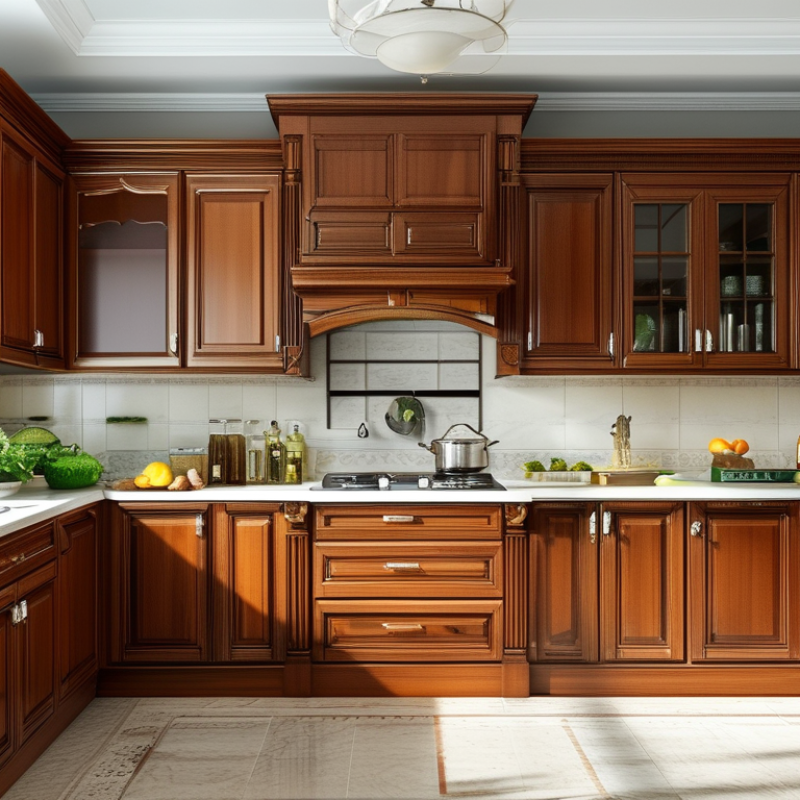
How to Maintain Kitchen Cabinets for Longevity and Durability?

Understanding the Materials of Your Kitchen Cabinets

When considering kitchen cabinets, understanding the materials is vital for longevity and durability. Wood, laminate, and metal are common choices. Each offers unique characteristics that affect maintenance. For instance, solid wood cabinets provide a classic look but require regular sealing to prevent moisture damage. A report from the Cabinet Makers Association states 70% of homeowners prefer wood for its aesthetics and durability.

Laminate cabinets are another popular option. They are less susceptible to scratches and stains. However, if the surface is damaged, repair can be challenging. The National Association of Home Builders suggests that laminate can last about 15-20 years with proper care. A keen eye helps spot early signs of wear, preventing costly replacements later.

Metal cabinets, often found in industrial kitchens, are resistant to heat and moisture. They can last a lifetime if maintained properly. Yet, they may show fingerprints and scratches more readily. Understanding these materials helps you make informed decisions. When selecting cabinets, consider your lifestyle. Each material has its strengths and weaknesses. Being aware leads to better maintenance practices and enhances the lifespan of your kitchen investment.

Essential Cleaning Techniques for Different Cabinet Finishes

Cleaning kitchen cabinets can prolong their life and maintain their appearance. Different finishes require specific techniques. For instance, wood cabinets demand gentle care. Using a soft, damp cloth with mild soap is often effective. Harsh chemicals can strip the wood’s finish, causing irreparable damage. According to a study from the American Wood Council, improper maintenance can reduce the lifespan of wooden cabinets by nearly 50%.

For laminate cabinets, a different approach is necessary. A mixture of vinegar and water works well to remove grime while preserving the laminate surface. Avoid abrasive cleaners that can scratch the finish. Research indicates that laminate surfaces can last up to 20 years with proper care. Still, neglecting their cleanliness can lead to peeling and fading, requiring costly replacements.

Metal cabinets are increasingly popular in modern kitchens. They are durable but need specific attention. A mixture of warm water and mild detergent is effective. It’s crucial to dry them immediately to avoid rust. Studies show that neglecting this step can shorten their lifespan by up to 30%. Regular maintenance not only enhances visual appeal but also ensures kitchens remain functional for years.

How to Maintain Kitchen Cabinets for Longevity and Durability? - Essential Cleaning Techniques for Different Cabinet Finishes

Cabinet Finish Cleaning Technique Frequency Recommended Products
Wood Dust with a soft cloth, and use a mild soap solution for deeper clean. Monthly Mild soap, wood polish
Laminate Wipe with a damp cloth and a non-abrasive cleaner. Weekly Non-abrasive all-purpose cleaner
Painted Use a gentle cleaner and microfiber cloth to avoid scratches. Bi-weekly Gentle cleaner, microfiber cloth
Veneer Clean with a damp cloth and avoid excess moisture. Every 2 months Damp cloth, veneer polish
Stainless Steel Wipe with a stainless steel cleaner to prevent streaks. Weekly Stainless steel cleaner

Preventive Measures to Avoid Common Kitchen Damage

When it comes to kitchen cabinets, preventive measures are crucial to maintain both longevity and durability. Homeowners often overlook the impact of moisture. According to industry reports, excessive moisture is a leading cause of damage. Regularly wiping spills promptly can prevent water from seeping into joints and causing warping over time. It’s recommended to keep kitchen humidity levels below 50% for optimal cabinet health.

Another common issue is the accumulation of grease and grime. Research indicates that ignoring regular cleaning can degrade finishes and lead to surface damage. A simple solution is to use a soft microfiber cloth and a gentle cleaner. This method is effective in removing grease without scratching. Failing to clean can lead to costly refinish and repair work, which many homeowners do not anticipate until it’s too late.

Additionally, the hardware on cabinets needs attention. Loose hinges and worn-out knobs can lead to misalignment, increasing stress on the structure. It may seem trivial, but addressing these small issues now prevents larger problems in the future. Regular inspections and maintenance can extend the lifespan of kitchen cabinets significantly, leading to both aesthetic and economic benefits. Some experts even suggest replacing hardware every few years for optimal performance.

Regular Maintenance Practices for Longevity

Maintaining kitchen cabinets is essential for their longevity. Regular cleaning is a crucial step. Use a gentle detergent mixed with warm water. Wipe the surfaces with a soft cloth. This practice removes grease and dust without causing damage. Avoid abrasive cleaners, which can scratch finishes.

Additionally, check for signs of wear periodically. Look for loose hinges or peeling paint. These issues can worsen if ignored. Repairing small problems early is often easier than managing larger ones.

Consider the environment around your cabinets. High humidity can warp or damage wood. Ensure proper ventilation in your kitchen. Some homeowners may overlook this detail, leading to mold growth. Regular maintenance is not just about cleaning; it's about being proactive.

Maintenance Practices for Kitchen Cabinets

Inspecting and Repairing Cabinet Hardware and Fixtures

Inspecting and maintaining cabinet hardware is crucial for enhancing the longevity of your kitchen cabinets. Regular checks help to identify wear and tear. Research shows that nearly 70% of kitchen renovations involve hardware updates. This statistic underscores the importance of keeping hinges and knobs in good condition. Loose or damaged hardware can lead to greater issues, such as misaligned doors. Ensuring a tight fit is key.

It’s also important to address minor repairs promptly. For instance, if a cabinet door is not closing properly, it may indicate a damaged hinge. According to industry experts, a simple fix can extend the life of your cabinets by up to 50%. Take the time to tighten screws and replace worn-out parts. These small tasks often go overlooked but play a significant role in a kitchen's overall functionality.

Don’t wait for significant issues to arise. A proactive approach is more effective. Inspect your cabinet fixtures at least twice a year. Look for signs of rust, corrosion, or wear. If you notice any problems, act decisively. This attention to detail reflects a commitment to quality. Remember that good maintenance practices not only preserve aesthetics but also ensure reliability in everyday use.

FAQS

: What are common materials used for kitchen cabinets?

: Common materials include wood, laminate, and metal. Each material has different characteristics.

Why do homeowners prefer wood cabinets?

Many love wood for its classic look and durability. Regular sealing is essential to prevent moisture damage.

How long do laminate cabinets last?

With proper care, laminate cabinets can last around 15-20 years. Spotting wear early is crucial.

What are the benefits of metal cabinets?

Metal cabinets resist heat and moisture. Proper maintenance can ensure they last a lifetime.

How often should I inspect cabinet hardware?

Inspect your cabinet hardware at least twice a year. Look for signs of wear and corrosion.

What should I do if my cabinet door doesn’t close properly?

This often indicates a damaged hinge. Promptly fixing it can extend your cabinets' life significantly.

What’s the impact of loose or damaged hardware?

It can cause misaligned doors and bigger issues. Tightening screws is a simple yet vital maintenance task.

How can small repairs affect cabinet longevity?

Small repairs can extend cabinet life by up to 50%. Don't overlook these minor issues; they matter.

What happens if I ignore maintenance?

Ignoring maintenance can lead to costly replacements. Proactive care reflects a commitment to quality.

Is it challenging to repair laminate cabinets if damaged?

Yes, repairing laminate can be tough. A keen eye for wear can help avoid major problems later.

Conclusion

To ensure your kitchen cabinets serve you well over time, it's essential to understand how to maintain kitchen cabinets for long-lasting use. Begin by recognizing the materials used in your cabinets, as different finishes require specific care. Implement essential cleaning techniques tailored to the cabinet finishes to prevent damage from dirt and grease buildup. Taking preventive measures can help avoid common issues like warping and staining, ensuring that your cabinets remain pristine.

In addition to regular cleaning, incorporate maintenance practices such as tightening loose hardware and checking fixtures for wear. Periodic inspections will help you identify and repair any hardware issues promptly, preserving the functionality and beauty of your cabinets. By following these guidelines, you can extend the life of your kitchen cabinets and maintain their appeal for years to come.

Sienna

Sienna

Sienna is a skilled marketing professional with a deep expertise in our company’s core products and services. With a passion for innovation and detail, she plays a pivotal role in crafting insightful blog posts that not only highlight the unique features of our offerings but also provide valuable......