The kitchen is often the heart of the home, serving as a gathering place for family and friends. However, many kitchens face challenges related to functionality. In fact, a report from the National Kitchen and Bath Association highlights that 50% of homeowners feel their kitchen lacks proper space utilization. This suggests room for improvement exists.
Renowned kitchen design expert Sarah Johnson emphasizes, “To improve kitchen functionality with design, one must prioritize workflow and storage.” This perspective underscores the importance of strategic design choices. Smart design can transform a cramped or inefficient kitchen into a well-organized space tailored to the homeowner's needs.
Implementing design features like open shelving, multi-purpose islands, and ergonomic layouts can significantly enhance workflow. Yet, it is crucial to reflect on individual habits and preferences. Each kitchen is unique, and what works for one may not suit another. By understanding personal requirements, one can create a functional kitchen that meets both aesthetic and practical goals.
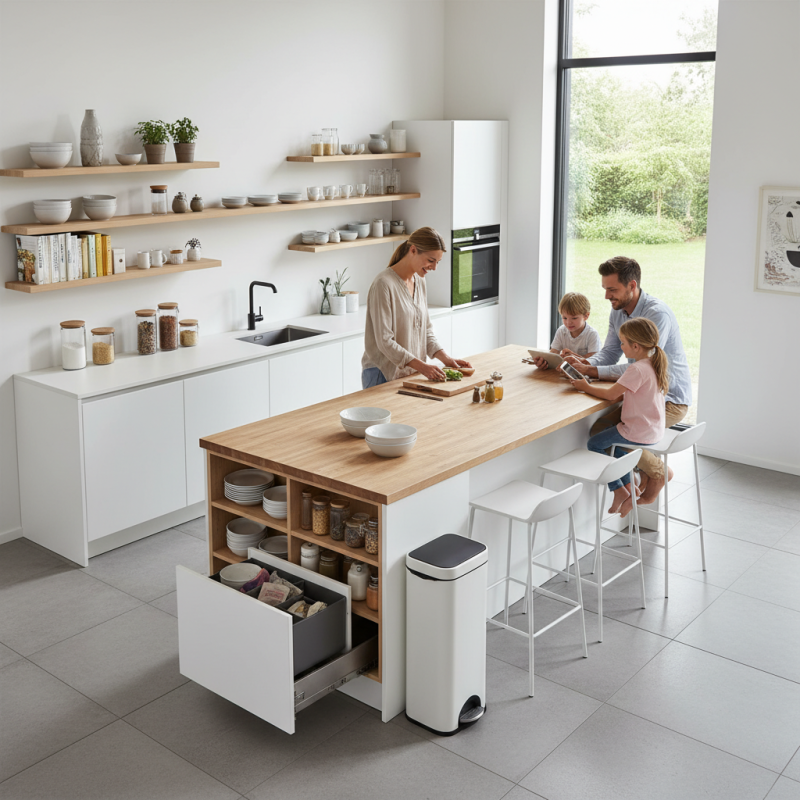
Smart Layout: Maximizing Space and Flow in Your Kitchen
Creating a smart layout in your kitchen can significantly enhance its functionality. Start by considering the kitchen work triangle — the distance between the stove, sink, and refrigerator. This efficient design minimizes movement and maximizes productivity. A clutter-free countertop allows for better workflow. It’s important to find a balance between aesthetics and practicality.
Utilize vertical space by installing shelves or cabinets that reach the ceiling. This can help store rarely used items out of sight. Additionally, consider open shelving for frequently used kitchenware. This promotes easy access but can seem daunting to some. Mixing both styles might provide a practical yet stylish solution.
Reflect on your kitchen habits. Do you often find yourself navigating around obstacles? Perhaps your arrangement needs reconsideration. You might want to assess how you cook daily. Make small adjustments gradually to find what truly works for you. A kitchen should reflect the needs of its users, even if it requires a bit of trial and error.
Incorporating Multi-Functional Furniture for Versatility
Incorporating multi-functional furniture in the kitchen can dramatically enhance its usability. A foldable table, for example, can serve as a dining space, a prep area, and even a workspace. This type of furniture adjusts to your activities, making it ideal for small kitchens.
Consider using stools that double as storage units. They can provide seating without cluttering the space. Another option is a kitchen island with wheels. It can be moved as needed, offering extra counter space and flexibility. However, careful planning is essential. Poorly chosen furniture may lead to overcrowding.
Lighting is just as crucial. Adjustable lights can create ambiance and highlight functional areas, making everything more inviting. Mixing textures can also add depth. A wooden table paired with metal shelves brings warmth and interest. Finding the right balance between style and function requires thought. It’s about creating an environment that works for your daily needs.
Choosing Smart Appliances for Enhanced Efficiency
When selecting smart appliances, consider their efficiency and impact on your kitchen's functionality. According to a report by the Consumer Technology Association, nearly 70% of homeowners prioritizing smart technology see a noticeable improvement in daily tasks. Efficient appliances can reduce energy consumption, leading to lower bills and a smaller carbon footprint.
Invest in appliances that incorporate energy-saving features. For example, smart ovens can learn your cooking habits. They adjust temperature settings accordingly, saving time and resources. Dishwashers with smart technology can optimize cycle duration based on load requirements. These features might seem minor, but they significantly enhance your kitchen experience.
Consider integrating appliances that communicate with each other. Smart fridges sync with other devices to track inventory and suggest recipes. This connection helps reduce food waste, as you use ingredients before they expire. The average household wastes about $1,500 worth of food each year. By making small changes, you can contribute to sustainability while enhancing efficiency.
Utilizing Effective Lighting to Improve Functionality
Effective lighting is essential in enhancing kitchen functionality. The right lighting can transform how you use the space. Consider layering your lighting to create a balanced effect. This includes ambient, task, and accent lighting. Each layer serves a purpose, illuminating the kitchen and making it more inviting.
Task lighting is crucial for functional areas. Install under-cabinet lights to brighten your counters. It helps you cut, mix, and prep with ease. Overhead pendant lights can also draw attention to the island. Make sure they are placed at an appropriate height. A light that’s too low can obstruct views.
Natural light should not be overlooked. Windows allow sunlight to flood the kitchen and boost your mood. If privacy is a concern, think about sheer curtains. They maintain brightness while offering some seclusion. Reflective surfaces can help bounce light around, too. Remember, a well-lit kitchen is not only safe; it encourages creativity and comfort.
Designing Storage Solutions for Optimal Organization
Designing storage solutions in a kitchen can greatly enhance functionality. Begin by assessing your current layout. Identify areas that feel cluttered. Is there enough space for pots and pans? Consider adding shelves above the counter or cabinets. These additions utilize vertical space and keep items accessible.
Drawer organization is another key focus. Use dividers to separate utensils and keep them tidy. Small containers can store spices, keeping them visible and easy to reach. Open shelving can also be beneficial. It offers a stylish way to display dishes, yet it can collect dust. Regular cleaning is necessary here.
Don’t overlook corner cabinets. They often become wasted space. A lazy Susan or pull-out shelves can make them more functional. Evaluate your usage patterns. Are there items you rarely use? Consider storing them higher up or further back. Strive for balance between accessibility and aesthetics. Reflect on what really works for you. The goal is to create a kitchen that feels organized and efficient, yet comfortable.
FAQS
: It dramatically enhances usability and saves space.
It serves as a dining area, prep space, and workspace.
Stools that double as storage units help reduce clutter.
Poor choices can lead to overcrowding and discomfort.
The right lighting transforms the space and makes it inviting.
Ambient, task, and accent lighting each serve a specific purpose.
Windows allow sunlight in, boosting mood and creating warmth.
Consider sheer curtains to maintain brightness while offering privacy.
They help bounce light around, enhancing brightness.
It promotes safety, creativity, and comfort in cooking.
Conclusion
To enhance kitchen functionality with design, it is essential to adopt a smart layout that maximizes space and flow. This approach involves organizing work zones effectively to streamline tasks and increase efficiency. Incorporating multi-functional furniture, such as extendable tables or benches with built-in storage, can significantly improve versatility in smaller kitchens.
Choosing smart appliances designed for enhanced efficiency is also crucial; these devices can save time and energy while offering improved performance. Additionally, the right lighting can transform a kitchen's functionality, making it more inviting and usable. Finally, designing storage solutions that optimize organization will keep your kitchen tidy and functional, ensuring that all essentials are easily accessible. By focusing on these design tips, anyone can learn how to improve kitchen functionality with design.

 Bashan Living