A modern modular kitchen stands as a testament to contemporary design and functionality. As homeowners increasingly seek ways to optimize space, modular kitchens have become a popular choice. According to a recent report by IBISWorld, the kitchen remodeling industry has grown by over 4.5% annually over the past five years. This growth underscores the demand for stylish and efficient kitchen designs.
When considering how to design a modern modular kitchen, it’s essential to blend aesthetics with practicality. Functional layouts allow for seamless cooking experiences. Using materials like high-quality laminates or engineered wood can enhance durability while maintaining a sleek appearance. However, some designs may overlook the importance of proper lighting, which can dim the overall ambiance.
Color schemes and modular components can greatly impact the kitchen’s atmosphere. Experts suggest incorporating 2023 trends like earthy tones and smart appliances. Yet, a common mistake is not fully maximizing vertical space. Thoughtful planning is vital to avoid overcrowded layouts and ensure a balanced kitchen environment. Balancing beauty with efficiency will create a space that is truly inviting.
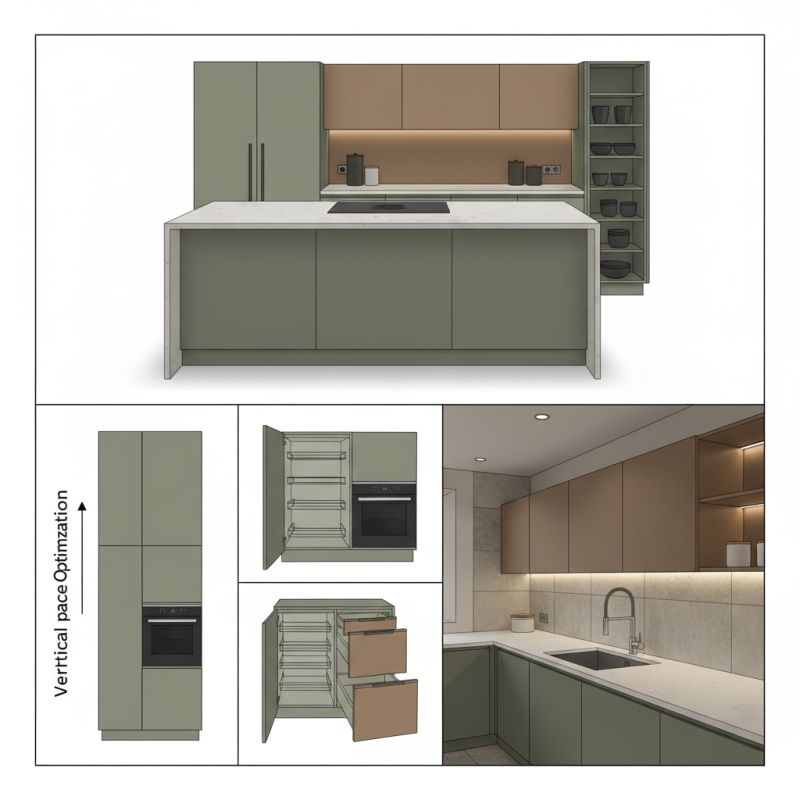
A modern modular kitchen emphasizes functionality and style. Design revolves around smart storage and efficient layout. Flexible modules allow customization for various spaces. This adaptability suits both small apartments and large homes. Every element, from cabinets to countertops, should reflect personal taste and lifestyle.
One key aspect of modular kitchens is the use of materials. Consider durable options like laminate or engineered wood. These choices combine aesthetics with practicality. Yet, striking a balance between design and durability is crucial. Reflection on this could enhance the overall kitchen experience.
Lighting plays a vital role in kitchen design. Layered illumination creates an inviting atmosphere. Task lighting ensures safety during cooking, while ambient lighting sets the mood. Yet many overlook lighting's influence. Proper lighting can transform even a small space into a functional area. Attention to these details ensures your kitchen is not just modern but also homely.
When designing a modern modular kitchen, the layout is crucial. A well-planned layout enhances functionality and aesthetics. According to industry reports, L-shaped layouts are popular, optimizing corner spaces. This design allows multiple work zones, making cooking more efficient.
Tips: Consider the work triangle concept. This ensures that the stove, sink, and refrigerator are positioned within a triangular relationship. It streamlines meal preparation and cooking, saving time.
Open-plan kitchens are trending as they foster social interaction. Incorporating an island can provide additional storage and seating. However, it's essential to reflect on how your family uses the space. A cluttered, oversized island can disrupt the flow of your kitchen.
Incorporating vertical storage is also a key element. Wall-mounted cabinets and shelves keep countertops clean and organized. But, remember to balance aesthetics with practicality. Too much open shelving can lead to visual chaos if not curated well.
| Layout Type | Advantages | Disadvantages | Ideal Size (sq ft) |
|---|---|---|---|
| L-Shaped | Efficient use of space, good for multiple cooks | Might require more cabinets for storage | 100 - 150 |
| U-Shaped | Offers ample storage and counter space | Can feel closed off in smaller areas | 150 - 250 |
| Galley | Highly efficient for cooking; easy workflow | Limited space for multiple users | 80 - 120 |
| Island Kitchen | Additional workspace; encourages socializing | Requires sufficient space; costly | 200+ |
| Single-Wall | Ideal for small spaces; simple design | Limited counter and storage space | 50 - 80 |
Selecting the right materials and finishes is vital when designing a modern modular kitchen.
Stainless steel and quartz remain popular due to their durability and sleek look. A report by the National Kitchen and Bath Association shows that
71% of homeowners prefer engineered stone for countertops. This preference stems from the stone's resilience against scratches and stains.
However, while quartz offers a modern aesthetic, it can be pricey and may not fit every budget.
Wood finishes, particularly lighter tones, can add warmth and contrast beautifully with contemporary designs.
A recent survey revealed that 55% of homeowners are gravitating towards natural materials.
Bamboo is increasingly favored for its eco-friendliness and strength. Yet, using bamboo requires careful consideration of humidity and water exposure, as it can warp under high moisture.
Color choices also impact the overall look. Neutral palettes are common, but adding vibrant splashes can create interest.
Design experts recommend experimenting with bold backsplash choices. This approach can lead to a stunning focal point.
However, some homeowners may struggle with choosing colors that remain timeless rather than trendy, leading to potential regrets down the line.
In the modern modular kitchen, smart appliances are essential. These devices enhance convenience and efficiency. Imagine a refrigerator that tracks your groceries. It alerts you when items run low. A smart oven can recommend recipes based on what you have available. This can inspire creativity in meal preparation.
Incorporating technology isn't always seamless. Some appliances may require complex setup processes. Additionally, not every gadget integrates well. It’s important to choose wisely. Think about functionality over trends. A kitchen should reflect your cooking habits. Wireless controls can be handy but sometimes glitch. Relying on constant updates may not be ideal for everyone.
Storage solutions also benefit from technology. Consider a modular drawer system that can be controlled via a smartphone. You can check inventory even from outside your home. Still, the balance between technology and practicality must be considered. Over-reliance on tech may lead to frustration. Ensure that every piece you add serves a clear purpose.
Creating a modern modular kitchen in a small space requires clever designs that maximize storage and functionality. Use vertical space to your advantage.
Wall-mounted cabinets and open shelving are excellent for making the most of limited area. This not only provides extra storage but also keeps essential items within easy reach. Consider built-in appliances that blend seamlessly with cabinetry. They save space while enhancing aesthetics.
Incorporating pull-out drawers and hidden compartments can transform clutter into organization. Think about multi-functional furniture. An island can serve as a cooking space and dining area. Such solutions are important for maximizing usability. However, not all ideas work perfectly. Sometimes, storage solutions may feel cramped or inconvenient.
Regularly assess how your kitchen works for you. Adjust elements as necessary to enhance both storage and function. It’s a continual process of improvement.
: L-shaped layouts are popular. They optimize corner spaces and allow for multiple work zones.
It places the stove, sink, and refrigerator in a triangular formation. This design streamlines cooking.
Open-plan kitchens encourage social interaction. An island can offer extra storage and seating.
Reflect on family usage. An oversized island might disrupt kitchen flow and create clutter.
Use vertical storage solutions like wall-mounted cabinets and shelves. This helps keep counters organized.
Stainless steel and quartz are popular due to durability. However, quartz can be expensive for some.
Many homeowners prefer natural materials for warmth and aesthetics. Bamboo is eco-friendly but needs careful handling.
A neutral palette is common, but adding bold colors can create interest. Choose wisely to avoid future regrets.
Bold backsplashes can be stunning but may clash with future trends. Balance is needed for long-term satisfaction.
Too much open shelving can lead to visual clutter. Curated items help maintain a clean appearance.
Designing a modern modular kitchen involves several key considerations that can greatly enhance both functionality and aesthetics in your home. To start, it's essential to understand the basics of modular kitchen design, which allows for flexibility and efficient use of space. Choosing the right layout is crucial, enabling you to create a seamless workflow while ensuring that the kitchen meets your specific needs.
Next, selecting materials and finishes plays a significant role in achieving a contemporary look, with options ranging from sleek countertops to stylish cabinetry. Incorporating smart appliances and technology can also elevate the kitchen experience, making tasks easier and more enjoyable. Finally, maximizing storage and functionality is particularly important in small spaces, where innovative storage solutions can make a significant difference. Essentially, learning how to design a modern modular kitchen not only transforms your cooking area but also enhances the overall ambiance of your home.

Bashan Living