Creating an ergonomic kitchen is essential for comfort and efficiency. A well-designed kitchen minimizes strain and maximizes productivity. But what makes a kitchen design more ergonomic?
It begins with layout. The perfect kitchen layout reduces unnecessary movements. This can be achieved through the work triangle concept, placing the sink, stove, and fridge within easy reach. Counter height also plays a vital role. Adjustable surfaces can cater to different users, enhancing usability.
Furthermore, storage solutions should be accessible and organized. Pull-out shelves and lazy Susans can prevent bending and reaching. Lighting is another critical factor. Good illumination reduces eye strain and enhances visibility. Ergonomic tools and appliances also contribute, as they are designed to fit naturally in the hand. By focusing on these elements, kitchen designs can foster a comfortable and efficient cooking experience.
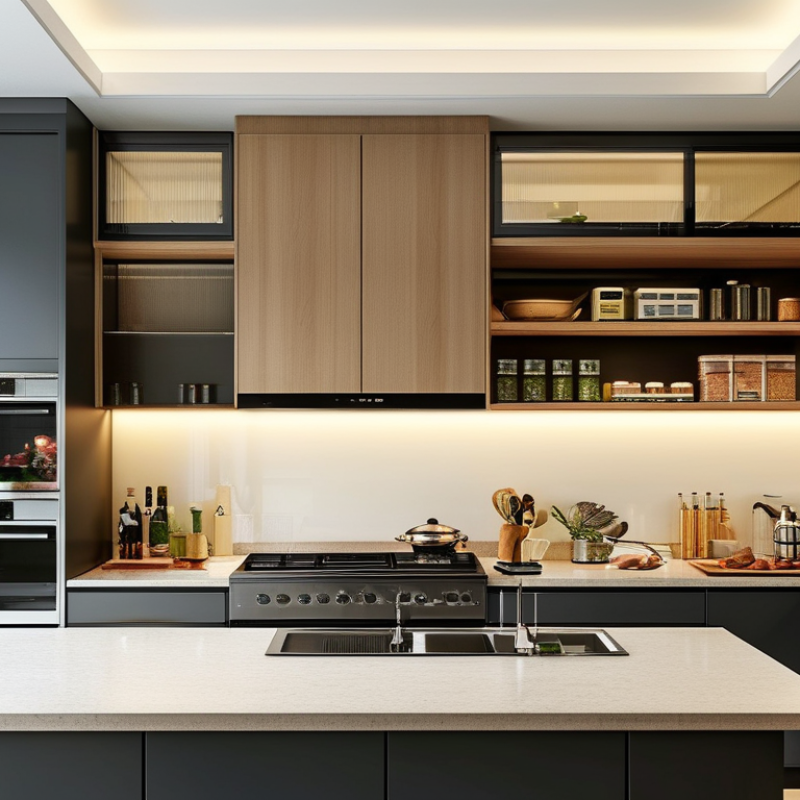
Understanding ergonomics in kitchen design is crucial for creating a functional space. An ergonomic kitchen minimizes strain and maximizes efficiency. Key elements include countertop height, workspace layout, and storage accessibility.
Countertops should be at a comfortable height. For most people, this is between 28 to 36 inches. Adjusting the height can prevent back pain during meal prep. Also, consider the proximity of appliances. Keeping frequently used items within easy reach saves time and energy.
Lighting is another aspect of ergonomic design. Proper lighting reduces eye strain and enhances visibility. Task lighting over workspaces is essential. Additionally, using textures and colors can create a welcoming environment. However, many people overlook these factors. Reflecting on your space can lead to better results.
| Tip | Description | Benefits |
|---|---|---|
| Use Adjustable Counters | Install counters that can be adjusted to different heights. | Accommodates users of different heights and reduces back strain. |
| Optimize Workflow | Layout should follow the work triangle pattern. | Enhances efficiency and minimizes unnecessary movement. |
| Incorporate Pull-Out Drawers | Use pull-out drawers instead of deep cabinets. | Easier access to items and less bending over. |
| Install Task Lighting | Add lighting under cabinets to illuminate work surfaces. | Improves visibility and reduces eye strain. |
| Select Ergonomic Appliances | Choose appliances that are easy to use and adjustable. | Makes kitchen tasks easier and safer. |
| Create Open Space | Leave enough space between counters and appliances. | Prevents clutter and allows easier movement. |
| Ensure Comfortable Sink Height | Position sink to minimize bending. | Reduces strain on the back and arms. |
| Use Non-Slip Flooring | Select flooring materials that provide traction. | Enhances safety and reduces the risk of falls. |
| Incorporate Comfort Mats | Place cushioned mats where you stand frequently. | Reduces fatigue in feet and legs. |
| Plan for Ample Storage | Include cabinets and shelves at accessible heights. | Minimizes the need for stretching and reaching. |
: Ergonomics ensures a functional kitchen that minimizes strain and maximizes efficiency.
Countertop heights should range from 28 to 36 inches for comfort and to prevent back pain.
Keep frequently used appliances within easy reach to save time and reduce energy spent during cooking.
Proper lighting reduces eye strain and enhances visibility, making cooking tasks more manageable.
The work triangle involves arranging the sink, stove, and refrigerator in a triangular layout for efficiency.
Limit gadgets on the island to maintain a clean and functional workspace that encourages ease of movement.
Choose storage options that are easily accessible to minimize bending and stressful reaching during cooking.
Natural light can enhance the cooking experience, but be cautious about glare on surfaces that can distract.
Reflecting helps identify areas of improvement for comfort, efficiency, and overall kitchen design aesthetics.
Creating an ergonomic kitchen design involves understanding key principles that enhance comfort and efficiency in the workspace. At the core of “what makes a kitchen design more ergonomic” are essential layout considerations that prioritize ease of movement and accessibility. A well-thought-out kitchen layout should promote a natural workflow, reducing unnecessary bending, reaching, and stretching.
Selecting the right appliances is also crucial, as they should align with the overall design to prevent strain during use. Optimal heights for counters and cabinets tailored to the user’s stature further contribute to a comfortable cooking experience. Additionally, incorporating safety features ensures that the kitchen remains not only efficient but also safe for everyday use. Overall, an ergonomic kitchen design harmonizes functionality with user comfort, making the culinary space both practical and enjoyable.

 Bashan Living