2026 Top Storage Ideas How to Organize Small Apartments?

Time:2026-09-06 Author:Isabella
0%

Small apartments rarely lack creativity; they lack visible, flexible storage. In 2026, the best ideas will focus on using overlooked spaces without making rooms feel crowded. A narrow wall beside the refrigerator can hold a slim rolling cart. The space beneath a bed can protect seasonal clothing in labeled, breathable containers. Even a five-centimeter gap may store cleaning tools.

This guide explores how to organize storage in small apartments through practical zones, vertical solutions, and furniture with more than one purpose. A storage bench near the entrance can hide shoes while creating a place to sit. Clear boxes can reveal daily essentials, while opaque containers may keep private items visually quiet. Measure every area first. It prevents hopeful purchases that later block doors or windows.

Professional organizer and author Shira Gill offers a useful reminder: “Clutter is not a moral failing.” Her perspective matters because storage problems often reflect unsuitable systems, not personal failure. A beautiful arrangement is not automatically a reliable one. The right method should match your habits, budget, household, and available time. Some ideas in this guide may not work in every apartment. That is normal. Try one small zone, observe what gets ignored, and adjust it honestly. Leave breathing room. A packed shelf is only organized until something new arrives.
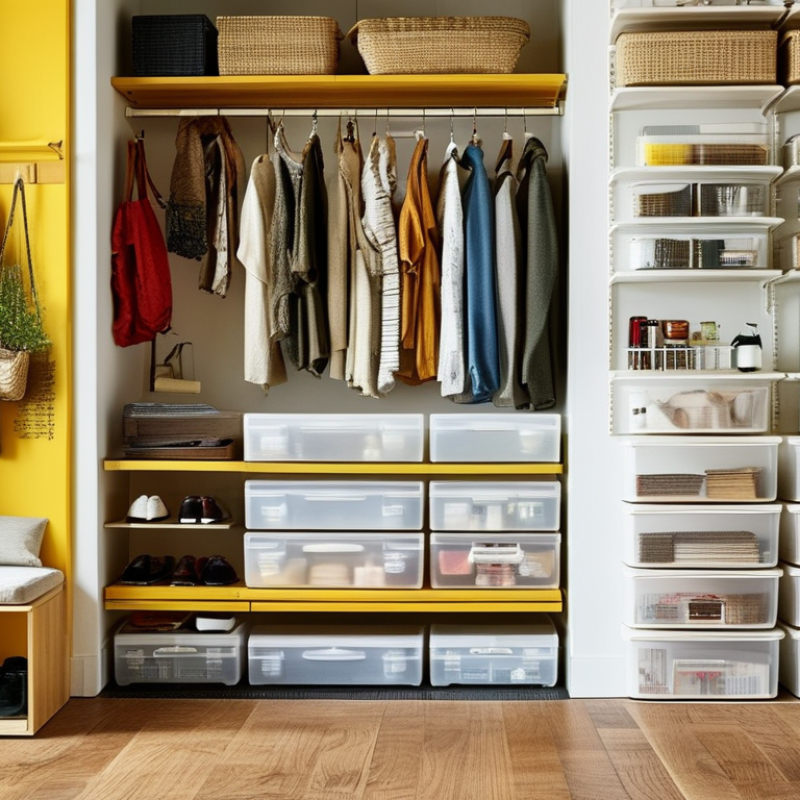
2026 Top Storage Ideas How to Organize Small Apartments?

Understanding Storage Challenges in Small Apartments

Small apartments create a storage problem before they create an organization problem. Every chair, doorway, and narrow wall competes for usable space. The U.S. Census Bureau’s 2023 American Community Survey shows that one-person households represented about 29% of all U.S. households. This matters because fewer residents do not always mean fewer belongings. One person may still need work equipment, seasonal clothing, cookware, and cleaning supplies.

Vertical space is often overlooked. A 45-centimeter-wide wall can hold shelves, hooks, or a slim cabinet without blocking movement. Yet storage must match daily behavior. Frequently used items should stay between knee and eye level. Rarely used luggage can move above a wardrobe. The National Association of Home Builders has repeatedly identified storage as a strong housing preference, but adding containers alone will not solve poor access. A crowded box is still clutter.

Measure before purchasing anything. Record each wall, corner, door swing, and heating outlet. Leave clear walking routes, especially beside the bed and kitchen work area. A practical test is simple: remove one item before adding one container. It feels uncomfortable. That discomfort reveals the real limit. The 2022 UN-Habitat World Cities Report estimates that 1.6 billion people live in inadequate housing, reminding us that space pressure is a structural issue, not merely a personal failure. Storage planning should therefore reduce friction, not demand perfect habits.

Assessing Space and Choosing the Right Storage Zones

Small apartments rarely lack storage alone; they lack assigned zones. I begin with a tape measure and a simple floor sketch. Record wall height, door swing, window clearance, and walking width. A 70-centimeter passage can feel tight when a basket remains open. Photograph crowded corners before moving anything. This reveals habits, not just clutter. I once measured a shelf but ignored its baseboard, leaving drawers unable to open. That mistake still informs my planning.

Divide the home by task: entry, cooking, sleeping, cleaning, and work. The entry needs a shallow zone for keys, shoes, and daily bags. Cooking storage should keep heavy pans below waist level and frequent tools near the preparation surface. Use vertical wall space only where it will not block light or ventilation. Under-bed containers suit seasonal textiles, but not items needed every morning. A useful zone saves steps. It should also remain easy to reach.

Test each proposed zone with temporary boxes for one week. Notice what gets returned, abandoned, or piled beside it. If mail still lands on the table, the entry zone is probably too far away. If a cupboard requires two hands to open, its location may be technically efficient but practically poor. Keep heavier items low and secure tall units against the wall. Regulations and building conditions vary, so check local safety guidance before fixing anything. Plans change. Mine often do.

Using Vertical, Hidden, and Multi-Functional Storage

Small apartments need storage that works upward, inward, and twice as hard. UN-Habitat’s World Cities Report 2022 estimates that 1.6 billion people lack adequate housing, making space-efficient design increasingly important. A tall cabinet can use the wall above a desk, while slim shelves can occupy the 15-centimeter gap beside a refrigerator. Keep daily items between waist and eye level. Store seasonal bedding higher, inside labeled fabric boxes. Measure first. Guessing wastes precious depth.

Hidden storage reduces visual clutter without sacrificing access. Use drawers beneath a bed, a storage ottoman near the sofa, and shallow cabinets behind doors. A 2024 National Association of Home Builders report found that 85% of surveyed buyers rated a walk-in pantry desirable, showing how strongly people value organized food storage. In a small apartment, a full pantry may be unrealistic. Two pull-out shelves can still hold grains, spices, and cleaning supplies.

Multi-functional furniture deserves careful testing. A dining table with folding sides can become a work surface, but its hinges must feel stable. A bench with internal storage can hide shoes near the entrance. Choose one purpose per zone. Otherwise, everything becomes a dumping place. I still overfill deep containers sometimes. That mistake matters. Items disappear behind one another, and unused storage becomes expensive clutter. Use clear bins only where visibility improves retrieval, not everywhere. A simple inventory every three months can reveal what the apartment truly needs.

Organizing Belongings by Function, Frequency, and Access

In 2026, small-apartment storage works best when every item has a reason to live there. I learned this after repeatedly moving kitchen tools between crowded drawers. Function comes before appearance. Keep cooking items near the stove, cleaning supplies near the sink, and work materials beside the desk. A slim shelf can hold daily essentials without consuming floor space. Storage should support movement, not block it. Measure doors, corners, and walking paths before buying anything. I once ignored a door swing. The cabinet looked perfect, but it made the room awkward.

Frequency decides what deserves the easiest position. Items used every day belong between waist and eye level. Weekly items can stay on higher shelves. Seasonal belongings may occupy under-bed boxes or the back of a closet. Group objects by real use, not only by category. Tea, mugs, and spoons can share one zone if mornings are rushed. Keep a small gap around frequently handled items. Tight packing creates friction and discourages tidying. Labels help, but clear containers are not always necessary. A simple written list may work better in a dark cabinet.

Access matters when hands are full or time is short. Choose drawers for small items and open baskets for soft goods. Use vertical dividers for pans, documents, or folded bags. Heavy objects should remain low, while fragile items need stable, reachable storage. Review each zone every few months. Life changes, and a system that worked in spring may fail during winter. I still keep some rarely used items in the wrong place. That mistake reminds me to test storage during real routines, not just during a neat weekend.

2026 Top Storage Ideas: How to Organize Small Apartments?

Organizing Belongings by Function, Frequency, and Access

Storage Zone Primary Function Belongings to Store Use Frequency Access Priority Recommended Location Efficient Storage Format Suggested Capacity Organization Rule
Entryway Leaving and returning home Keys, wallet, daily bag, shoes, coats, reusable shopping bags Several times per day Very high Within one step of the door Wall hooks, shallow tray, narrow shoe cabinet 30–60 cm of wall or floor width Keep only the current season's outerwear and footwear visible.
Kitchen Counter Food preparation and cooking Frequently used utensils, cutting board, cooking oil, basic spices Daily Very high At arm's reach from the main work area Vertical rack, rail hooks, compact utensil holder Keep exposed items within a 30 cm deep footprint Store similar tools together and leave the main preparation surface clear.
Kitchen Cabinets Meal supplies and cookware Pots, pans, plates, dry goods, food containers, small appliances Daily to weekly High Cabinets closest to the preparation and washing areas Stackable bins, shelf risers, lid dividers Use vertical space before adding counter storage Place heavy cookware low and reserve upper shelves for lighter items.
Living Area Relaxation and entertainment Books, remote controls, blankets, games, charging cables Daily to weekly High Beside the sofa or entertainment area Storage ottoman, closed media console, basket One container per activity category Use closed storage for visual calm and label containers that hold mixed items.
Bedroom Closet Dressing and clothing care Everyday clothing, underwear, accessories, laundry supplies Daily Very high Eye-level and waist-level closet sections Slim hangers, drawer dividers, vertical shelf organizers Keep everyday clothing within the easiest 60–120 cm reach zone Separate clothing by type, then arrange the most-worn pieces at the front.
Under the Bed Seasonal and occasional storage Winter clothing, spare bedding, luggage, special-occasion items Monthly to seasonally Medium Low, enclosed space under the bed frame Lidded, low-profile boxes with pull handles Measure the clearance before selecting containers Use this area for items that are bulky but not needed every week.
Bathroom Personal care and cleaning Toiletries, towels, grooming tools, first-aid supplies, paper goods Daily to monthly High Near the sink, shower, or main grooming area Tiered drawer inserts, narrow cabinet bins, over-door rack Keep daily-use products in one easily reached zone Store backups separately and check expiration dates during regular resets.
Home Office Work, study, and paperwork Laptop accessories, stationery, documents, notebooks, cables Daily to weekly High Desk drawers and shelves within seated reach Document file, cable pouch, vertical paper sorter One active file area plus one archive area Digitize reference material where appropriate and retain essential originals securely.
Utility Cabinet Cleaning and maintenance Cleaning cloths, brushes, tools, light bulbs, household supplies Weekly to monthly Medium A ventilated cabinet away from food and heat Handled caddy, labeled bins, narrow vertical shelf One portable caddy for routine cleaning tasks Keep chemicals upright, sealed, and inaccessible to children and pets.
Top Shelves Long-term and backup storage Keepsakes, archived records, spare linens, rarely used equipment A few times per year Low Highest safe shelves or back sections of cabinets Uniform labeled boxes with an inventory list Limit stored weight and leave a safe step-free access route Place the lightest items highest and review the contents at least twice a year.
Practical planning principle: Store frequently used belongings between knee and shoulder height, place occasional items in lower or higher zones, and keep every category close to the activity where it is used.

Maintaining an Efficient and Clutter-Free Storage System

2026 Top Storage Ideas: How to Organize Small Apartments?

Maintaining an Efficient and Clutter-Free Storage System

Small apartments need systems, not bigger piles. The United Nations reported that 55% of the global population lived in urban areas in 2018. That share may reach 68% by 2050. Efficient storage will matter even more in compact homes.

Measure every cabinet before buying containers. Leave a small air gap around stored items. This prevents jammed doors and makes cleaning easier. Keep daily items between waist and eye level. Store seasonal bedding in flat, labeled bags beneath the bed. Use one basket near the entrance for keys, mail, and reusable bags. It should have one purpose.

Simple works best.

A reliable system also controls what enters the apartment. The U.S. Environmental Protection Agency reported 292.4 million tons of municipal solid waste in 2018. A monthly “one-in, one-out” check can slow unnecessary accumulation. Recycle responsibly, donate usable items, and avoid keeping duplicates without a clear reason. My own storage plan failed when labels became too vague. “Miscellaneous” quickly became a hidden drawer of forgotten objects. Specific labels work better, such as “winter cables” or “bathroom refills.”

Review the system every season. If an item stays untouched for twelve months, question its value. Storage should support everyday movement, not create another task.

FAQS

: How should I assess storage space in a small apartment?

: Use a tape measure and draw a simple floor sketch. Record wall height, door swings, window clearance, and walking width. A 70-centimeter passage may feel narrow when a basket stays open. Photograph crowded corners before rearranging them. These images reveal daily habits. I once ignored a baseboard, and my drawers could not open.

How can I divide storage into useful zones?

Create zones for entry, cooking, sleeping, cleaning, and work. Keep keys, shoes, and daily bags near the entrance. Store heavy pans below waist level. Place cooking tools near the preparation surface. Keep cleaning supplies near the sink. A useful zone saves steps. It must remain easy to reach.

Where should daily, weekly, and seasonal items go?

Keep daily items between waist and eye level. Place weekly items on higher shelves. Store seasonal textiles in flat containers beneath the bed. Do not place morning essentials under the bed. That location creates unnecessary steps. I still misplace some rarely used items.

How can I test whether a storage zone works?

Use temporary boxes for one week. Watch where items return, remain abandoned, or form new piles. If mail stays on the table, the entry zone may be too far away. If a cupboard needs two hands, its location may be impractical. Test real routines, not just tidy weekends.

Which storage types suit different belongings?

Use drawers for small objects and open baskets for soft goods. Add vertical dividers for pans, documents, and folded bags. Keep heavy objects low and stable. Fragile items need reachable, secure storage. Leave small gaps around frequently handled belongings. Tight packing creates friction.

How can I organize belongings by function?

Store cooking items near the stove and work materials beside the desk. Group objects by actual use, not category alone. Tea, mugs, and spoons can share one morning zone. A slim shelf can hold daily essentials without using much floor space. Storage should support movement.

How can I prevent clutter from returning?

Give each container one clear purpose. Keep one entrance basket for keys, mail, and reusable bags. Review incoming belongings monthly. Consider removing a similar item when a new one enters. Donate usable items responsibly. Recycling also helps. My own system failed when labels became too vague.

How often should a storage system be reviewed?

Review each zone every season. Life changes, and winter items may need different access. Question anything untouched for twelve months. Replace vague labels with specific descriptions, such as “winter cables.” Do not create a “miscellaneous” drawer. It quickly becomes a forgotten corner.

Conclusion

Organizing a small apartment begins with understanding how limited space affects daily life. The key is to assess each room carefully and identify practical storage zones based on layout, natural movement, and available surfaces. Instead of allowing belongings to spread across floors and furniture, use vertical areas, overlooked corners, under-bed space, and the backs of doors. Multi-functional furniture can also provide useful storage while serving another purpose, helping every item earn its place without making the apartment feel crowded.

When considering how to organize storage in small apartments, group belongings by function, frequency of use, and ease of access. Everyday items should remain within reach, while seasonal or rarely used possessions can be placed in higher or less convenient areas. Clear labeling and consistent placement make the system easier to maintain. Regularly reviewing stored items, removing things that are no longer useful, and returning belongings after use will help preserve an efficient, comfortable, and clutter-free home.

Isabella

Isabella

Isabella is a dedicated marketing professional with a sharp focus on driving brand growth and engagement through strategic content creation. With an extensive background in digital marketing, she combines her passion for storytelling with her keen understanding of industry trends to deliver......