The world of kitchen interior design is ever-evolving, reflecting changes in lifestyle and technology. As we look ahead to 2026, it’s crucial to explore what are the latest trends in kitchen interior design. Renowned designer Emily Henderson notes, “Kitchens should feel inviting and functional, versatile to accommodate our daily lives.” Her perspective underscores the importance of creating spaces that embrace both practicality and aesthetics.
Modern kitchens are shifting towards open layouts with natural materials. Warm woods, sleek metals, and bold colors are making a statement in 2026. Tech integration is also changing how we use kitchens. Smart appliances are becoming standard, enhancing convenience and efficiency. However, it's essential to balance innovation with personal touches.
While these trends highlight creativity, they also prompt reflection. Are we designing spaces that truly reflect our identities? As we adopt new ideas, we must remember to stay authentic. Ultimately, the kitchen remains a heart of the home. Embracing recent innovations may lead us to a space that feels both modern and uniquely ours. The journey of kitchen design continues, inviting us to engage and innovate.
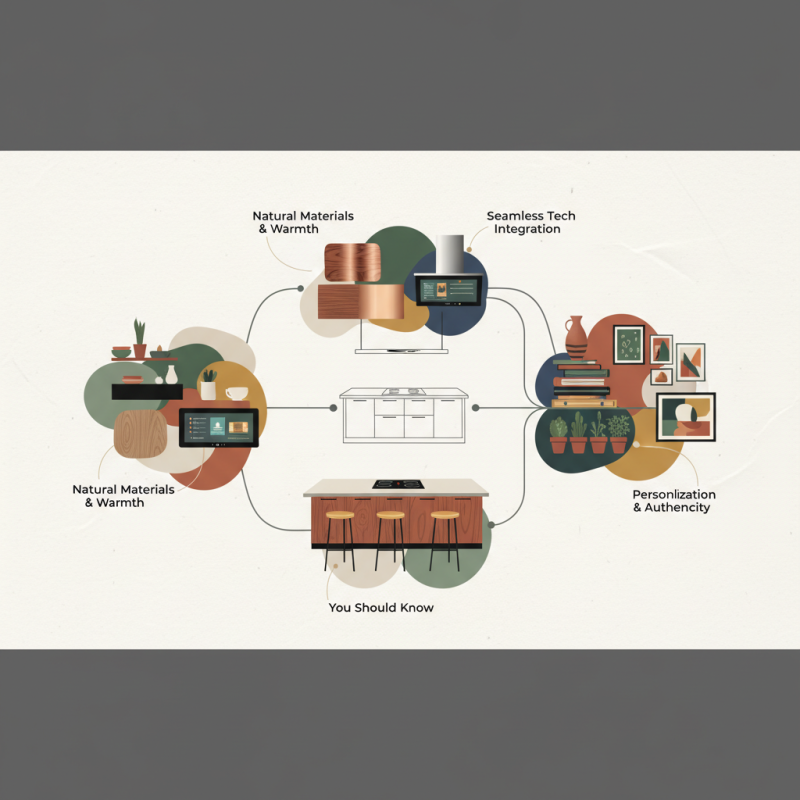
2026 Kitchen Interior Design Trends: An Overview
The 2026 kitchen interior design trends showcase a blend of
innovation and nostalgia. Expect vibrant colors to make a
bold statement. Deep greens, burnt oranges,
and rich blues will dominate palettes. These colors create an inviting
warm atmosphere. Textured finishes, like matte surfaces, will replace high-gloss
options. This shift emphasizes a natural, lived-in feel.
Sustainable materials gain traction. Recycled wood and eco-friendly composites
will be popular. They combine beauty with environmental consciousness. Open shelving will make a comeback. It's
both functional and visually appealing. It encourages personal expression. However, this trend can be a
double-edged sword. Open shelves require constant
upkeep and organization.
Statement lighting will be key. Unique fixtures can elevate a simple design.
Think bold chandeliers or sculptural pendant lights. They draw the eye and enhance the overall look. However, finding
the right balance can be tricky. Too much can overwhelm a space while too little might not stand out. Embrace these
trends, but always reflect on your personal style.
Embracing Sustainable Materials in Kitchen Designs
The trend of embracing sustainable materials in kitchen designs is on the rise. Recent studies show that about 73% of homeowners prioritize eco-friendly options. This reflects a growing awareness of environmental impact. Using materials such as bamboo, reclaimed wood, and recycled metals can reduce your carbon footprint. They also add unique charm to the kitchen space.
Choosing sustainable materials does come with challenges. Some homeowners may find it hard to source high-quality options. Not all sustainable materials are created equal. It's crucial to research suppliers and verify their claims. Look for certifications that guarantee eco-friendliness. Rely on industry reports for guidance. For instance, the green building market is expected to reach $364 billion by 2022. This indicates a strong shift toward sustainability.
**Tips for incorporating sustainable materials:** Consider installing low-VOC cabinets to improve indoor air quality. Use countertops made from recycled glass for a striking focal point. Ensure tiles are sustainably sourced, adding beauty while minimizing waste. Prioritize functionality without compromising style. Balancing aesthetics with sustainability requires thoughtful decisions.
2026 Best Kitchen Interior Design Trends: Embracing Sustainable Materials
The following chart showcases the percentage of kitchen design trends in 2026 that prioritize sustainable materials. This includes various materials like bamboo, recycled metal, reclaimed wood, and eco-friendly tiles. Embracing these materials not only enhances the aesthetic appeal of kitchens but also contributes to environmental sustainability.
Innovative Layouts for Maximizing Kitchen Space
When considering innovative layouts for maximizing kitchen space, it’s crucial to focus on efficiency and aesthetics. According to a 2022 national survey by the American Institute of Architects, 59% of homeowners prioritize open layouts to create a spacious feel. Open-plan kitchens not only enhance interaction but also allow for flexible arrangement options. A moveable island, for example, encourages versatile use without permanently occupying space.
Storage solutions are also key. The National Kitchen and Bath Association states that 86% of homeowners favor multifunctional cabinetry. Drawers that pull out or extend can utilize deep spaces effectively. Such designs reduce clutter and make daily activities more seamless. However, there’s a potential downside; overcrowding cabinets with too many accessories can counteract the intention of maximizing space.
Another trend is incorporating vertical storage. Wall-mounted shelves can declutter counters while making items easily accessible. This approach often requires careful planning to maintain balance. Some designs may risk looking cluttered if too many items are displayed. Yet, when done right, they can become a focal point in modern kitchens. Overall, innovative layouts offer more than function—they create an environment that reflects personal style.
The Role of Color Psychology in Kitchen Design Trends
Color psychology plays a crucial role in kitchen design trends. According to a report by the American Institute of Architects, 80% of homeowners consider color as a major influence on their mood and behavior. Certain colors evoke specific feelings; for instance, warm hues like red and orange can create an inviting space while stimulating appetite. Conversely, blues and greens promote calmness and relaxation, making them ideal for a peaceful cooking environment.
When selecting colors for your kitchen, it is essential to consider how they will affect the ambiance. Think about the emotional impact of your choices. For instance, pastel tones can be soothing but might feel too dull for some. Darker shades, while sophisticated, can overwhelm a smaller kitchen. Creating a balance is essential to achieve a functional yet aesthetically pleasing design.
**Tip:** Experiment with paint samples before committing. Place swatches around the kitchen in different lighting conditions.
Consider also how personalized touches can reflect your style. Unique color combinations can enhance visual appeal, but it’s easy to go overboard. Aim for harmony by limiting bold colors to accents or a single feature wall.
**Tip:** Use neutral colors as a base. They provide versatility for future decor changes.
2026 Best Kitchen Interior Design Trends You Should Know?
| Trend |
Description |
Color Palette |
Psychological Impact |
| Sustainable Materials |
Incorporating eco-friendly materials like bamboo, recycled glass, and reclaimed wood. |
Earthy tones, greens, and neutrals. |
Promotes a connection to nature and enhances tranquility. |
| Open Shelving |
Replacing upper cabinets with open shelves for a spacious look. |
Bright whites combined with colorful accents. |
Encourages creativity and provides a feeling of openness. |
| Bold Backsplashes |
Using striking tiles or designs to make a statement. |
Vibrant blues, reds, or geometric patterns. |
Stimulates energy and adds personality to the kitchen space. |
| Smart Technology |
Integration of smart appliances for efficiency and convenience. |
Sleek metallics or minimalistic monochromes. |
Encourages a stress-free cooking experience. |
| Mixed Materials |
Combining different textures and materials for visual interest. |
Contrast of woods, metals, and stone. |
Creates a dynamic and inviting atmosphere. |
Incorporating Smart Technology into Modern Kitchens
Smart technology is revolutionizing modern kitchens. Integrating these innovations can elevate both style and functionality. From intuitive appliances to smart lighting, your kitchen can become a more efficient space.
Consider touchless faucets. They promote cleanliness and are ideal for busy cooks. Another option is smart refrigerators that allow you to track inventory. This reduces food waste and helps plan meals better. Don’t overlook smart ovens, which can be controlled remotely. They take the guesswork out of cooking.
Tips: Invest in a voice-activated assistant. It can help you set timers or find recipes without touching your device. Ensure your Wi-Fi is reliable throughout your kitchen. This is essential for all smart devices to operate smoothly.
Also, remember, not every tech solution may fit your lifestyle. Some users find too many gadgets overwhelming. Focus on what improves your cooking experience. A well-designed kitchen should balance technology and personal touch, making it both smart and inviting.
Conclusion
As we look ahead to 2026, it is essential to explore what are the latest trends in kitchen interior design that will shape our culinary spaces. A significant focus is on embracing sustainable materials, reflecting a growing commitment to eco-friendliness in kitchen designs. Innovative layouts are also becoming prominent, allowing homeowners to maximize space while enhancing functionality and aesthetics.
Moreover, color psychology plays a crucial role in influencing mood and atmosphere, guiding the selection of hues that can transform a kitchen into a welcoming environment. Lastly, the integration of smart technology continues to redefine modern kitchens, offering convenience and efficiency. These trends highlight a shift toward more thoughtful and purposeful kitchen designs that cater to contemporary living.

 Bashan Living